|
|
|


The criminal gay drug Vatican is also a faking company
4.1. Augsburg with Abbot Tritheim (Trithemius) - Konrad Pickel (Celtes) - Konrad Peutinger -- 4.2. The methods of forgery
4.3. The heyday of the LYING MASTERS -- 4.4. The Forger on the Chair of Peter - Pope Pius II (1405-1464, Pope 1458-1464)
4.5. [The Invented] Marcus Aurelius, the Christian FAKE Emperor in FAKE-Rom -- 4.6. The fundamentalist Erasmus of Rotterdam
4.7. [England: The Fantasy] King Arthur becomes historical
from: The Big Action. Europe's invented history. The Systematic Falsification of Our Past from Antiquity to the Enlightenment --
orig. German: Die Grosse Aktion. Europas erfundene Geschichte. Die planmässige Fälschung unserer Vergangenheit von der Antike bis zur Aufklärung --
Edition Grabert -- ISBN 3-87847-172-6 -- Tübingen 1998; 2nd edition 2000
Commented edition
presented by Michael Palomino (2025)
| Share: |
Facebook |
|
Twitter
X |
|
|
|
Chapter 4: The fakes of the criminal Vatican (some examples)
4.1. Augsburg with Abbot Tritheim (Trithemius) - Konrad Pickel (Celtes) - Konrad Peutinger
4.2. The methods of forgery
A. A FAKE literary encyclopedia "Suidas" / "Suda" -- B. False translations with variations -- C. INVENTED letters -- D. INVENTED inscriptions
4.3. The peak of the LYING MASTERS
A. Monte Cassino Monastery -- B1. Council of Constance -- B2. Council of Basel -- B3. further Europe -- B4. INVENTION of "Antiquity" -- B5. Bobbio (Pisa region)
4.4. The forger on the Chair of Peter - Pope Pius II (1405-1464, Pope 1458-1464)
From the biography and a village as a birthplace that was to become a city
4.5. [The invented] Marcus Aurelius, the Christian FAKE-emperor in FAKE-Rome
Charles V and the Mirror of Princes by Antonio de Guevara -- the FAKE-diaries of a FAKE-Marcus Aurelius by forger Michael Schütz
4.6. The fundamentalist Erasmus of Rotterdam
Translations of the FANTASY-Bible by Erasmus of Rotterdam - the groundwork for Luther
4.7. [England: the Fantasy] King Arthur becomes historical
A. FAKE-Bible and its "versions" -- B. The INVENTED King Arthur of England with historian Geoffrey Ashe, who defends fantasy as "inspiration"
Cited literature (books)
in the order of appearance in the work:
-- Herbert Hunger et al.: "History of the Text Transmission of Ancient and Medieval Literature" (1961) (p. 54) -- Antonio de Guevara: FAKE-novel "The Golden Book of Marcus Aurelius Severus" which was controlled and approved by Emperor Charles V (p. 63)
-- Antonio de Guevara published the FAKE-"Family Letters" of the Emperor in 1539 and 1542 (2 volumes), again "a huge success" throughout Europe (p. 64) - stylistically oriented towards FAKE-Cicero, they were pure FANTASY, addressed to the dead, with "impossible events and dates" (!) (p. 64)
-- Antonio de Guevara after leaving the court in 1539: Book "Contempt for the Court and Praise of Simple Rural Life" with "brilliant rhetoric" (p. 64)
-- Michael Schütz (Greek: Michael Toxita): invents a "Diary of Marcus Aurelius" (p. 65)
-- Hans Freiherr von Camphausen (ed.) (1991): "Take and read! Christian Thinkers from Origen to Erasmus of Rotterdam"; Stuttgart 1991 (p.69, p.276)
-- Book of lies: "And the Bible is right" (book by Keller with false cross-references) (p.71)
-- Geoffrey Ashe (GB): King Arthur. The discovery of Avalon (Düsseldorf 1986) with the claim that King Arthur is "historical" (p.71, p.275)
orig. German names of the books:
-- Herbert Hunger et al.: "Geschichte der Textüberlieferung der antiken und mittelalterlichen Literatur" (1961) (S.54)
-- Antonio de Guevara: FAKE-Roman "Das Goldene Buch von Marcus Aurelius Severus" der Roman wurde vom Kaiser Karl V. kontrolliert und abgesegnet (S.63) -
-- Antonio de Guevara gab 1539 und 1542 die FAKE-"Familienbriefe" des Kaisers heraus (2 Bände), wieder "ein Riesenerfolg" in ganz Europa (S.64) - stilistisch am FAKE-Cicero orientiert, sie waren reine FANTASIE, an Tote geschrieben, mit "unmöglichen Ereignissen und Zeitangaben" (!) (S.64)
-- Antonio de Guevara nach dem Ausscheiden aus dem Hof 1539: Buch "Verachtung des Hofes und Lob des einfachen Landlebens" mit "brillanter Rhetorik" (S.64)
-- Michael Schütz (griech. Michael Toxita): erfindet ein "Tagebuch von Marc Aurel" (S.65)
-- Hans Freiherr von Camphausen (Hg.) (1991): "Nimm und lies! Christliche Denker von Origenes bis Erasmus von Rotterdam"; Stuttgart 1991 (S.69, S.276)
-- Lügen-Buch: "Und die Bibel hat doch recht" (Buch von Keller mit falschen Querverbindungen) (S.71)
-- Geoffrey Ashe (GB): König Arthur. Die Entdeckung von Avalon (Düsseldorf 1986) mit der Behauptung, König Arthur sei "historisch" (S.71,S.275)
Forgers' offices
-- many forgers' offices in the region of Constance (Konstanz) [above all the monastery of Saint Gall] (p.58 - chapter 4: "A look into the workshop")
-- forgers' monastery of Monte Cassino (p.58 - chapter 4: "A look into the workshop"
-- forgers' monastery at Corbie in northern France (p.132 - chapter 6: "Fathers of Historiography")
Why did they forge an Antiquity and a Middle Ages? Because after the fall of Constantinople they wanted to win against Islam with lies – and for that, they invented 1000 years with the additions before the year numbers “J” - “I” - “1” installing the FAKE Gregorian calendar, in order to fit the forged Antiquity and the forged Middle Ages into a FAKE “calendar.” See the book "The Matrix of Ancient History" (orig. German: "Die Matrix der Alten Geschichte") by Christoph Pfister.
Now, we read the data from Uwe Topper:
Kapitel 4: Blick in die [Fälscher]-Werkstatt
Fälscher 4.1. Augsburg mit Abt Tritheim (Trithemius) - Konrad Pickel (Celtes) - Konrad Peutinger
Der Fälscherkreis mit Abt Tritheim (Tritemius) und Konrad Celtes
-- ab 1491 ERFANDEN diese Leute zahlreiche "geschichtliche" Werke, sie wurden aber oft sofort entlarvt (S.53)
-- entlarvt wurden ein Hunibald und ein Berosos, sowie die FAKE-Dichtungen eines FAKE-Kaisers Friedrich I. (S.53)
-- Topper meint, bei Tritheim und Celtes sei auch die "Legende des Heiligen Alexanders" entstanden, als Untermauerung des FAKE-Tacitus gedacht (S.53)
Der Fälscher Tritemius (Johannes Heidenberg - 1462-1516)
-- Tritemius war Abt in Würzburg, förderte offiziell die "Wissenschaften", präsentierte in seinen "geschichtlichen" Werken aber "Märchen und Fälschungen ohne alle Kritik" (so meint das "Meyers Konversationslexikon", 4. und 6. Auflage, 1884-1907 (Leipzig) (S.53,279)
-- Abt Tritemius veröffentlichte auch eine "Vision über das Weltende" (S.53)
Chapter 4: A look into the [counterfeiter] workshop
Counterfeiters 4.1. Augsburg with Abbot Tritheim (Trithemius) - Konrad Pickel (Celtes) - Konrad Peutinger
The Counterfeiters' Circle with Abbot Tritheim (Tritemius) and Konrad Celtes
-- since 1491 these people INVENTED numerous "historical" works, but they were often immediately unmasked (p.53)
-- a Hunibald and a Berosos were unmasked, as well as the FAKE poems of a FAKE emperor Frederick I. (p.53)
-- Topper thinks that the "legend of St. Alexander" was also created by Tritheim and Celtes, intended as a support of the FAKE-Tacitus (p.53)
The forger Tritemius (Johannes Heidenberg - 1462-1516)
-- Tritemius was abbot in Würzburg, officially promoted the "sciences", but in his "historical" works he presented "fairy tales and forgeries without any criticism" (according to the "Meyers Konversationslexikon", 4th and 6th edition, 1884-1907 (Leipzig) (p.53,279)
-- Abbot Tritemius also published a "vision about the end of the world" (p.53)
The forger Konrad Celtes (Konrad Pickel - 1459-1508)
-- Konrad Celtes was a "Latin poet", had good contacts to emperors and was a role model for many "contemporaries", cultivated the "Sodality circle", traveled around in the German-speaking area of Europe and as far as Rome (coordinates: Mainz-Würzburg-Krakow-Danzig-Rome) (p.53)
-- Celtes wrote an exemplary Latin: "His Latin became exemplary for the Renaissance." (p.53)
-- Celtes was a great liar and braggart, had no qualms to recite other people's verses as his own, a FAKE pioneer, e.g. with a "road map of the Roman FAKE Empire" which was given to the historian Konrad Peutinger (p.53), it is still in circulation today as "Peutinger Tafel" (p.54, map p.97)
Der Fälscher Konrad Celtes (Konrad Pickel - 1459-1508)
-- Konrad Celtes war ein "lateinischer Dichter", hatte gute Kontakte zu Kaisern und war ein Vorbild für viele "Zeitgenossen", pflegte den "Sodalenkreis", reiste im deutschen Sprachraum Europas herum und bis nach Rom (Koordinaten: Mainz-Würzburg-Krakau-Danzig-Rom) (S.53)
-- Celtes schrieb ein vorbildliches Latein: "Sein Latein wurde vorbildlich für die Renaissance." (S.53)
-- Celtes war ein grossartiger Lügner und Aufschneider, hatte keine Skrupel, fremde Verse als seine eigenen vorzutragen, ein FAKE-Pionier, z.B. mit einer "Strassenkarte des Römischen [FAKE]-Reiches", die dem Geschichtsforscher Konrad Peutinger überlassen wurde (S.53), sie ist heute noch als "Peutinger Tafel" im Umlauf (S.54, Karte S.97)
Konrad Celtes: FAKE-Karte vom FAKE-Römischen Reich, 1500ca. - Konrad Peutinger überlassen - "Peutinger Tafel" (S.97) [kap4 foto1]
Herbert Hunger et al. mit dem Buch "Geschichte der Textüberlieferung der antiken und mittelalterlichen Literatur" (1961) beschreiben die "Arbeitsweise" des Herrn Konrad Celtes:
-- Celtes begann 1497 in Wien mit einer "philogermanischen Geschichtsklitterung", ein Gemisch aus echten Meldungen, Phantasie und Missverständnissen (S.54)
-- sein Schüler Aventinus kopierte diese Arbeitsweise, führte die "Bayrische Chronik" fort, die bis heute (Stand 2000) "unser Slawenbild bestimmt" (S.54)
-- plumpe Fälschungen, die sofort erkennbar waren, wurden "fallengelassen", aber Fälschungen, die nur von Fachleuten erkennbar waren, blieben bestehen und werden bis heute "gern ausgeschlachtet und als Grundlage für Geschichtsdarstellungen verwendet" (S.54)
[Die Herrschenden wollen nicht denken und nicht lernen - sondern nur herrschen, egal, ob Dokumente falsch oder richtig sind].
Herbert Hunger et al. [et alia=and his group] with the book "History of the Textual Tradition of Ancient and Medieval Literature" (1961)*
* orig. German: "Geschichte der Textüberlieferung der antiken und mittelalterlichen Literatur"
describe the "working method" of Mr. Konrad Celtes:
-- Celtes started in 1497 in Vienna with a "philo-Germanic historical misrepresentation", a mixture of real reports, fantasy and misunderstandings (p.54)
-- his student Aventinus copied this way of working, continued the "Bavarian Chronicle" which until today (as of 2000) "determines our image of the Slavs" (p.54)
-- clumsy forgeries which were immediately recognizable were "dropped", but forgeries which were only recognizable by experts remained and are still "gladly exploited and used as a basis for historical representations" (p.54)
[The rulers do not want to think and do not want to learn - but only rule, regardless of whether documents are wrong or right].
Beispiel: Der FAKE-Tacitus hat eine Germanenbild "produziert", und Ulrich von Hutten hat darauf aufbauend eine "Totenklage" geschrieben (S.54).
Der Sammler und Fälscher Konrad Peutinger (1465-1547 [web01])
-- war ein Stadtschreiber in Augsburg, was ein Sammler "römischer Altertümer", reiste auch mal nach Italien und brachte Skulpturen, Münzen und Handschriften in sein Bürgerhaus in Augsburg (S.54)
-- er verbreitete die Kunde seiner Funde "in vielbeachteten Aufsätzen" (S.54)
-- er hatte auch naturmedizinische Kenntnisse und kommentierte eine "medizinische Abhandlung über die Heilkraft der Pflanzen", die von Apuleius stammen sollte (S.54)
Peutinger besass u.a.
-- die FAKE-"Chronik von Otto von Freisingen", mit seinen Randbemerkungen (S.54)
-- die FAKE-"Gesta" von Kaiser Friedrich I., "von Celtes 1507 im Kloster Ebrach „entdeckt“, die er unter dem Namen Gunther Ligurinus veröffentlichte" (S.54)
-- die FAKE-"Chronik von Eberhard von Regensburg" (S.54).
Example: The FAKE-Tacitus has "produced" an image of the Germanic people, and Ulrich von Hutten has written a "lament for the dead" based on it (p.54).
The collector and forger Konrad Peutinger (1465-1547 [web01])
-- was a town clerk in Augsburg, what a collector of "Roman antiquities", also traveled to Italy and brought sculptures, coins and manuscripts to his burgher house in Augsburg (p.54)
-- he spread the news of his finds "in much noticed essays" (p.54)
-- he also had knowledge of natural medicine and commented on a "medical treatise on the healing power of plants" which was supposed to come from Apuleius (p.54)
Peutinger owned, among other things:
-- the FAKE-"Chronicle of Otto von Freisingen", with his marginal remarks (p.54)
-- the FAKE "Gesta" of Emperor Frederick I., "discovered by Celtes in 1507 in the monastery of Ebrach", which he published under the name Gunther Ligurinus" (p.54)
-- the FAKE-"Chronicle of Eberhard of Regensburg" (p.54).
Well, these texts are all "fictitious", but well integrated into the [grammar school and university] "view of history" (p.54)
"He also had copies of the Gothic stories of Procopius and Jornandes, the Lombard history of Warnefried and Paulus Diakonus, the chronicles of Gregory of Tours and Regino of Prüm, further texts about the Saxons and Normans (p.54), all of which are suspicious enough to bring the owner and exploiter of these works into disrepute himself." (p.55)
-- the heirs of Konrad Peutinger allegedly could not do anything with the history collection, but bequeathed [or] sold the collector's items to the Jesuits, including the coin collection of "several 1000 copies". Since then, however, many pieces of evidence can no longer be found [probably sold privately] (p.55)
-- it is rumoured that a Mr. Celtes "brought the manuscripts to Vienna" (p.55)
Peutinger with map of Germany by Kusanus
-- Konrad Peutinger published a map of Germany by Nikolaus Kusanus (p.55)
-- also a Greek codex "Hieroglyphica of Horapollo" which was printed in Augsburg in 1515 by an Italian (p.55)
Nun, diese Texte sind alle "frei erfunden", aber gut im [gymnasialen und universitären] "Geschichtsbild integriert" (S.54)
"Er besass auch Abschriften der Gotengeschichten des Prokop und des Jornandes, der Langobardengeschichte des Warnefried und Paulus Diakonus, der Chroniken von Gregor von Tours und Regino von Prüm, weitere Texte über die Sachsen und Normannen (S.54), die alle verdächtig genug sind, um den Besitzer und Verwerter dieser Werke selbst in Verruf zu bringen." (S.55)
-- die Erben von Konrad Peutinger konnten mit der Geschichts-Sammelei angeblich nichts anfangen, sondern vermachten [oder verkauften] die Sammlerstücke den Jesuiten inklusive Münzsammlung von "mehreren 1000 Exemplaren". Seitdem sind viele Beweisstücke aber nicht mehr auffindbar [wahrscheinlich privat verkauft] (S.55)
-- es wird gemunkelt, ein Herr Celtes habe die Handschriften "nach Wien gebracht" (S.55)
Peutinger mit Deutschlandkarte von Kusanus
-- Konrad Peutinger gab eine Deutschlandkarte von Nikolaus Kusanus heraus (S.55)
-- ebenfalls einen griechischen Kodex "Hieroglyphica des Horapollo", der 1515 in Augsburg von einem Italiener gedruckt wurde (S.55)
Peutinger and hisForgery colleagues
-- one of the forgers in Peutinger's circle was Johannes Colerus (p. 55)-- also in his circle was Abbot Tritemius, with whom a dispute arose because Tritemius's forgeries were "too obvious" (p. 55)
-- authors were INVENTED, to whom INVENTED texts were attributed... (p. 55)
-- Peutinger's honesty towards Abbot Tritemius came at a price: Abbot Tritemius ensured that Peutinger's and Celtes' "discoveries" were [at least for now?] not taken seriously by the royal church... (p. 55)
Peutinger und seine Fälscher-Kollegen
-- einer der Fälscher im Bekanntenkreis von Peutinger war Johannes Colerus (S.55)
-- ebenso in seinem Bekanntenkreis war der Abt Tritemius, mit dem es zu einem Streit kam, weil Tritemius' Fälschungen "gar zu offensichtlich waren" (S.55)
-- es wurden Schriftsteller ERFUNDEN, denen ERFUNDENE Texte zugedichtet wurden... (S.55)
-- die Ehrlichkeit Peutingers gegenüber dem Abt Tritemius hatte ihren Preis: Abt Tritemius sorgte dafür, dass Peutingers und Celtes "Entdeckungen" bei der kr. Kirche [vorerst?] nicht ernst genommen wurden... (S.55)
Fälscher 4.2. Die Fälschungsmethoden
A. Ein FAKE-Literaturlexikon "Suidas" / "Suda" -- B. Falsche Übersetzungen mit Variationen -- C. ERFUNDENE Briefe -- D. ERFUNDENE Inschriften
4.2.A) Das FAKE-Literaturlexikon "Suidas" / "Suda"
-- die Fälscherei unter der Herrschaft des Vatikans kannte viele "Kniffe und Kunstgriffe" (S.55)
-- die Fälscher zitieren oft ein griechisches Literaturlexikon "Suidas" oder "Suda", das aber "anerkanntermassen erst gegen 970 geschrieben" wurde (S.55)
-- dieses FAKE-Literaturlexikon enthält "zahlreiche schwere Mängel und Irrtümer" (S.55)
-- Topper nimmt an, dass dieses FAKE-Literaturlexikon die Basis für die ERFINDUNG aller Schriften aus der FAKE-Antike und dem FAKE-Mittelalter war (S.55)
-- die Altertums- und Mittelalter-Institute der [offiziellen] Universitäten anerkannten aber dieses FAKE-Lexikon als "echt", als "Dokument der Klassik" [und haben so bis heute (Stand 2025) ihre Freude an schönen Werken in perfekten Stabreimen und Endreimen, die es erst ab ca. 1200 gab, siehe Sprachwissenschaftler Baldauf] (S.55)
-- die Forschung erwägt die Fälschung des Literaturlexikons "Suidas" im 10. Jh., oder die Suidas könnte auch von Konstantinopel her nach 1453 von "christlichen" Flüchtlingen in Europa verkauft worden sein (S.55)
Counterfeiters 4.2. Counterfeiting methods
A. A FAKE Literary Encyclopedia "Suidas" / "Suda" -- B. False Translations with Variations -- C. INVENTED Letters -- D. INVENTED Inscriptions
4.2.A) The FAKE Literary Encyclopedia "Suidas" / "Suda"
-- the forgery under the rule of the Vatican knew many "tricks and tricks" (p.55)
-- the forgers often quote a Greek literary dictionary "Suidas" or "Suda" which was "recognized as having been written only around 970" (p.55)
-- this FAKE literature encyclopedia contains "numerous serious deficiencies and errors" (p.55)
-- Topper assumes that this FAKE literature encyclopedia was the basis for the INVENTION of all writings from the FAKE antiquity and the FAKE Middle Ages (p.55)
-- but the antiquity and medieval institutes of the [official] universities recognized this FAKE encyclopedia as "genuine", as a "document of classicism" [and so until today (as of 2025) they enjoy beautiful works in perfect rhymes and endings, which only existed from about 1200, see linguist Baldauf] (p.55)
-- the research is considering the falsification of the literary dictionary "Suidas" in the 10th century, or the Suidas could have been sold from Constantinople after 1453 by "Christian" refugees in Europe (p.55)
Mossad Wikipedia about the term "Suidas": First a lexographer from Byzantium - then an encyclopedia - and then a fantasy figure
https:// de.wikipedia.org/ wiki/Suidas
"Suidas (Greek: Σουΐδας Souḯdas) is a legendary Greek lexicographer who is described as a Byzantine and is said to have lived in the second half of the 10th century. For a long time, he was considered the author of the Suda, the first known alphabetically ordered collection of words and concepts. Due to its length, the Suda is considered an outstanding lexical work of the Byzantine period. Since the 1930s, it has been generally accepted that Suidas is a fantasy figure. The naming is probably based on a later confusion with the title of the encyclopaedia."
[The fact that the encyclopedia is also fake is not (yet) mentioned].
Mossad-Wikipedia über den Begriff "Suidas": Zuerst ein Lexograph aus Byzanz - dann ein Lexikon - und dann eine Fantasiegestalt
https://de.wikipedia.org/wiki/Suidas
"Suidas (mittelgriechisch Σουΐδας Souḯdas) ist ein sagenhafter griechischer Lexikograph, der als Byzantiner beschrieben wird und in der zweiten Hälfte des 10. Jahrhunderts gelebt haben soll. Er galt lange Zeit als Verfasser der Suda, der ersten bekannten alphabetisch geordneten Wörter- und Begriffssammlung. Aufgrund ihres Umfangs gilt die Suda als herausragendes lexikalisches Werk byzantinischer Zeit. Seit den 1930er-Jahren ist allgemein anerkannt, dass Suidas eine Phantasiegestalt ist. Die Namensgebung beruht wohl auf einer späteren Verwechslung mit dem Titel des Lexikons."
[Dass das Lexikon auch gefälscht ist, wird (noch) nicht erwähnt].
4.2.B) Fälschungen durch falsche Übersetzung (oder willkürlich reduziert oder Hinzufügungen)
Topper Zitat: "Das Bewusstsein für Autorschaft und Urheberrechte war noch nicht vorhanden."
Topper Zitat: "Man verlegte gern eigene Gedanken in frühere Zeiten, um sie mit Autorität auszustatten."
-- bei Übersetzungen ohne Kontrolle kann die übersetzende Person Sachen dazudichten oder Sachen weglassen (S.56)
[-- in Europa war der direkte kulturelle Austausch mit Asien auf Handel beschränkt], die Literatur aber wurde durch das Osmanische Reich in Spanien "weitergereicht", wo [jüdische Übersetzer] die Übersetzungen aus dem Arabischen ins Hebräische und ins Lateinische vollbrachten (S.56)
-- ein Apotheker-Standardwerk des griechischen Arztes Dioskorides wurde also zwei bis dreimal übersetzt, bevor es in Europa lesbar war, eventuell mit Veränderungen, Auslassungen oder Zusatzbemerkungen (S.56)
4.2.B) Forgery through false translation (or arbitrarily reduced or additions)
Topper quote:
"The awareness of authorship and copyright was not yet present."Topper quote: "One was happy to attribute one's own thoughts to earlier times in order to endow them with authority."-- In translations without control, the translator can add or omit things (p.56)
[-- In Europe, direct cultural exchange with Asia was limited to trade], but literature was "passed on" through the Ottoman Empire in Spain, where [Jewish translators] accomplished translations from Arabic into Hebrew and Latin (p.56)
-- Example: A standard work of pharmacy by the Greek physician Dioscorides was translated two to three times before it was readable in Europe, possibly with changes, omissions, or additional remarks (p.56)
Beispiel Dante: Dante (1265-1321 [web03] - ein FAKE?) kannte kaum "antike lateinische Schriftsteller", später wahrscheinlich kannte er die FAKE-Autoren "Vergil, Ovid, Lukian und Horaz", aber den FAKE-"Homer" kannte er nur dem Namen nach (S.55).
Beispiel Pilato: Der erste Lehrstuhlinhaber für die "Griechische Sprache" in Westeuropa soll ein Leontius Pilatus (Leo Pilatus, italienisch Leonzio Pilato) gewesen sein ca.1310-1365 und soll die Werke des FAKE-Homer auf Latein übersetzt haben [web02]. Topper erwähnt, der Pilato sei der erste gewesen, der die FAKE-"Ilias" und Teile der FAKE-"Odyssee" auf Latein in Italien verkauft habe (S.55-56).
Der italienische Humanisten-Schriftsteller Giovanni Boccaccio (1313-1375) [S.56, web04] soll die Übersetzungen ausgewertet haben. Topper bezeichnet die Übersetzungen als "elendes Stümperwerk" (S.56).
Example Dante: Dante (1265-1321 [web03] - a FAKE?) barely knew "ancient Latin writers"; later he probably knew the FAKE-authors "Virgil, Ovid, Lucian, and Horace," but he only knew the FAKE-"Homer" by name (p. 55).
Example Pilato: The first professor of "Greek language" in Western Europe is said to have been a Leontius Pilatus (Leo Pilatus, Italian Leonzio Pilato) around 1310-1365 and is said to have translated the works of the FAKE-Homer into Latin [web02]. Topper mentions that Pilato was the first to sell the FAKE-"Iliad" and parts of the FAKE-"Odyssey" in Latin in Italy (pp. 55-56).
The Italian humanist writer Giovanni Boccaccio (1313-1375) [p. 56, web04] is said to have evaluated the translations. Topper describes the translations as "miserable hackwork" (p. 56).
Übersetzungszentrum Byzanz (damals "Griechenland") und nach 1453 Italien mit der Medici-Familie
-- um 1420 begann in Europa das "Fieber" für "griechische FAKE-Bücher": "eine Generation vor dem endgültigen "Verlust" von Byzanz (1453 an die Osmanen" (S.56)
-- Platos Werke wurden auch verfälscht (S.56)
-- nach der islamischen Besetzung von Byzanz und Konstantinopel 1453 wurden 100e griechische "Kodizes" nach Italien verschifft oder als Abschriften hergestellt (S.56)
-- in Italien investierte die Medici-Familie mit Cosimo de Medici (1389-1464 [web05]) grosse Summen in den "Aufbau einer Bibliothek klassischer Werke, die er von griechischen Flüchtlingen [aus Byzanz] aufkaufe [um Byzanz zu ersetzen, Italien wurde Byzanz 2.0] (S.56)
-- Herr Cosimo de Medici eröffnete in Florenz eine "Schule für neuplatonische Philosophie" mit Lehrern wie
-- Marcelo Ficino (Marsilio Ficino, auch Marsilius Ficinus, geb. 1433 in Figline Valdarno, gestr. 1499 in Florenz-Careggi [web06]) und
-- [der Byzanz-Flüchtling] Bessarion (lat. Basilius, geb.1399/1408 in Trapezunt im nordöstlichen Kleinasien; gest. 18. November 1472 in Ravenna [web07]) (S.56)
Translation Center Byzantium (then 'Greece') and after 1453 Italy with the Medici family
-- around 1420, the 'fever' for 'Greek FAKE books' began in Europe: 'a generation before the final 'loss' of Byzantium (1453 to the Ottomans)' (p. 56)
-- Plato's works were also distorted (p. 56)
-- after the Islamic occupation of Byzantium and Constantinople in 1453, hundreds of Greek 'codices' were shipped to Italy or made into copies (p. 56)
-- in Italy, the Medici family, with Cosimo de Medici (1389-1464 [web05]), invested large sums in the 'building of a library of classical works, which he purchased from Greek refugees [from Byzantium] to replace Byzantium, Italy became Byzantium 2.0' (p. 56)
-- Mr. Cosimo de Medici opened a 'School for Neoplatonic Philosophy' in Florence with teachers such as
-- Marcelo Ficino (Marsilio Ficino, also Marsilius Ficinus, born 1433 in Figline Valdarno, died 1499 in Florence-Careggi [web06]) and
-- [the Byzantine refugee] Bessarion (lat. Basilius, born 1399/1408 in Trebizond in northeastern Asia Minor; died November 18, 1472 in Ravenna [web07]) (p.56)
-- Ficino: "was an Italian humanist, philosopher, translator (especially of Plato and Plotinus), and physician" [web06]
-- Ficino: "war ein italienischer Humanist, Philosoph, Übersetzer (insbesondere von Platon und Plotin) und Arzt" [web06]
Der Übersetzer Bessarion in Italien, ein Flüchtling aus Byzanz 1453
-- Bessarion: "war ein byzantinischer Humanist, Theologe, Kirchenpolitiker, Diplomat, Redner, Publizist, Philosoph, Philologe und Übersetzer. Ab 1439 war er Kardinal, ab 1463 lateinischer Patriarch von Konstantinopel im Exil" [web07]
-- Bessarion: war Erzbischof von Nicäa gewesen, trat nach seiner Flucht nach Italien zum Katholizismus über, erhielt dort hohe Ämter und "besass die reichste Handschriftensammlung griechischer Werke" (S.56)
-- und auf diese Weise begann in Italien [dessen Oberschicht die "christliche" Oberschicht von Byzanz aufgenommen hatte] die Verbreitung der griechischen FAKE-Autoren sowie der "Kenntnis Platons und seiner Nachfolger" (S.56).
-- Bessarion übersetzte viele Werke ins Lateinische, eventuell mit Hinzufügungen, oder in Byzanz schon wurde bei der ersten Übersetzung etwas hinzugefügt (S.56)
-- Autorenrechte und Urheberrechte waren noch nicht bekannt (S.56)
-- eine Idee in einem Werk wurde erweitert, ausgeschmückt im Sinne des "hellenischen Geistes": "Es ging um die Idee, um Philosophie und Theologie" (S.56)
The translator Bessarion in Italy, a refugee from Byzantium in 1453
-- Bessarion: "was a Byzantine humanist, theologian, church politician, diplomat, speaker, publicist, philosopher, philologist, and translator. He was a cardinal from 1439 and Latin patriarch of Constantinople in exile from 1463" [web07]
-- Bessarion had been the Archbishop of Nicaea, converted to Catholicism after his flight to Italy, held high positions there, and "had the richest manuscript collection of Greek works" (p. 56)
-- and in this way began in Italy [whose upper class had embraced the 'Christian' upper class of Byzantium] the spread of Greek FAKE-authors as well as the "knowledge of Plato and his successors" (p. 56)
-- Bessarion translated many works into Latin, possibly with additions, or in Byzantium, the first translation was already done in a certain way.
-- Bessarion translated many works into Latin, possibly with additions, or in Byzantium something was already added during the first translation (p. 56)
-- authors' rights and copyrights were still not known (p. 56)
-- an idea in a work was expanded, embellished in the sense of the 'Hellenic spirit': 'It was about the idea, about philosophy and theology' (p. 56)
-- Topper Zitat: "Das Bewusstsein für Autorschaft und Urheberrechte war noch nicht vorhanden."
-- Topper Zitat: "Man verlegte gern eigene Gedanken in frühere Zeiten, um sie mit Autorität auszustatten."
Das verlorene griechische Byzanz sollte "im Geiste" erhalten bleiben und mit dem "Christentum" verbunden werden (S.56).
[These: Dies könnte eine treibende Kraft für Fantasie im Vatikan gewesen sein, all die griechischen FAKE-Autoren und ihre Werke zu ERFINDEN].
-- Topper quote: "The awareness of authorship and copyright was not yet present."
-- Topper quote: "One liked to attribute one's own thoughts to earlier times to endow them with authority."
The lost Greek Byzantium was to remain "in spirit" and be connected with [strict Catholic] "Christianity" [with stake murders] (p. 56).
[Thesis: The loss of Byzantium was the decisive force to invent 1000 years of the past with FAKE antiquity and FAKE Middle Ages. They wanted to defeat the Fantasy Islam with Fantasy lies].
Translator Marsilio Ficino in Italy
-- the Mossad-Wikipedia states: Ficino was primarily a translator of Plato and established "Platonism." Quote:
"Marsilio Ficino [...] was an Italian humanist, philosopher, translator (especially of Plato and Plotinus), and physician. He is one of the most well-known figures of Renaissance humanism in Florence. Through his translations and commentaries, he significantly contributed to the knowledge of Plato and Platonism in his era and made it accessible to the Latin-speaking audience."
-- Ficino translated Plato, Plotinus, Iamblichus, etc., in 1496 his Lucian of Samosata was published in Florence, a total of "80 works by him are transmitted, not all genuine" (p. 56)
-- he mixed sources and his own ideas in a colorful jumble, a lot of Greek texts from the fallen Byzantium were circulating, which were used as a treasure trove without questioning, without asking about authors or inventors (p. 56)
Übersetzer Marsilio Ficino in Italien
-- die Mossad-Wikipedia meint: Ficino war vor allem ein Platon-Übersetzer und begründete den "Platonismus". Zitat:
"Marsilio Ficino [...] war ein italienischer Humanist, Philosoph, Übersetzer (insbesondere von Platon und Plotin) und Arzt. Er gehört zu den bekanntesten Persönlichkeiten des Renaissancehumanismus in Florenz. Mit seinen Übersetzungen und Kommentaren trug er massgeblich zur Kenntnis Platons und des Platonismus in seiner Epoche bei und machte dem lateinischsprachigen Publikum Schriften antiker griechischsprachiger Autoren zugänglich."
-- Ficino übersetzte Plato, Plotin, Jamblichus usw., 1496 kam in Florenz sein Lukian von Sarmosata heraus, insgesamt "sind 80 Schriften von ihm überliefert, nicht alle echt" (S.56)
-- er mischte Quelle und eigene Ideen kunterbunt durcheinander, es kursierten haufenweise griechische Texte aus dem untergegangenen Byzanz, die ohne zu hinterfragen als Fundgrube benutzt wurden, ohne nach Autoren oder Erfindern zu fragen (S.56)
Topper Zitat:
"Am Ende ist eine Quellensichtung praktisch unmöglich. So wie man sich der antiken Städte als Steinbruch bediente, so benützte man auch die umlaufenden Texte und Fragmente als willkommene Fundgrube, ohne danach zu fragen, wer sie erfunden oder (S.56) gefunden habe." (S.57)
Topper quote:
"In the end, a source review is practically impossible. Just as ancient cities were used as quarries, the surrounding texts and fragments were also used as a welcome treasure trove, without asking who invented or discovered them." (p. 56) (p. 57)
Zusammenfassung: Karolinger-FANTASIE - Papsttum von Avignon nach Rom - Byzanz-Flüchtlinge kommen nach Italien - Kolonialismus mit Deckung
-- die Fantasie begann zuerst mit einer FANTASIE-ERFINDUNG der Karolinger u.a. mit einer Chronologie eines FAKE-Hrabanus (780-856 [web08]), ohne grosse Diskussion um Ort und Zeit
-- danach wechselte das Papsttum Ende des 14. Jh. von Avignon nach Rom (gemäss Christoph Pfister 1409 [web09]), [wo der kr. Vatikan gegründet und in 200 Jahren gebaut wurde]
-- 1456 wurden Byzanz und Konstantinopel muslimisch, die "christlichen" Flüchtlinge brachten den griechische FAKE-Input mit der FAKE-Antike nach Italien (S.57)
[-- ab 1492 teilte der kr. Vatikan die Welt auf und begründete den Kolonialismus, definitiv mit der Tordesillas-Linie von 1494 und "christliche" Waffen und Krankheitserreger der Jesuiten versklavten die Massen von UreinwohnerInnen für Bergwerke und Plantagen]
-- so wurde das FANTASIE-Gebilde einer "grossen Vergangenheit" immer gigantischer und die ERFINDER wurden erst 1765 rückwirkend von einem Herrn Winckelmann "Humanisten" genannt (S.57 - Herberg Hunger et al. mit dem Buch "Geschichte der Textüberlieferung der antiken und mittelalterlichen Literatur" (1961), S.525-526)
[-- wobei der Kolonialismus dann gar nicht "human" vor sich ging - bzw. der brutale Massenmord und die Massensklaverei an anderen Kulturen auf anderen Kontinenten in "Amerika", Afrika und Asien wurde in Europa mit einer FAKE-Dichterreihe verdeckt und viele Leute in Europas Oberschicht wollen bis heute (Stand 2025) noch nicht glauben, dass der Kolonialismus zu 99% Massenmord und mörderische Sklaverei war, weil sie die "schöne Welt" der "klassischen FAKE-Dichter" und der "klassischen Musik" nicht verlassen wollen... (!)]
Summary: Carolingian FANTASY - Papacy from Avignon to Rome - Byzantine refugees come to Italy - Colonialism with cover
-- the fantasy began first with a FANTASY-INVOLUTION of the Carolingians including a chronology of a FAKE-Hrabanus (780-856 [web08]), without much discussion about place and time
-- afterwards, the Papacy moved from Avignon to Rome at the end of the 14th century (according to Christoph Pfister 1409 [web09]), [where the papal Vatican was founded and built in 200 years]
-- in 1456, Byzantium and Constantinople became Muslim, the "Christian" refugees brought the Greek FAKE-input with the FAKE-Antiquity to Italy (p.57)
[-- from 1492, the papal Vatican divided the world between Spain and Portugal and established colonialism, definitively with the Treaty of Tordesillas in 1494 and "Christian" weapons and pathogens enslaved the masses of indigenous people for mines and plantations]
-- thus, the imaginative creation of a 'great past' became increasingly gigantic, and the inventors were only retrospectively referred to as 'humanists' by a certain Mr. Winckelmann in 1765 (p.57 - Herbert Hunger et al. with the book 'History of the Text Transmission of Ancient and Medieval Literature' (1961), pp.525-526)
[-- whereby colonialism was not at all 'humane' - or rather, the brutal mass murder and mass slavery of other cultures on different continents in 'America,' Africa, and Asia was obscured in Europe by a FAKE series of poets, and many people in Europe's upper class still do not want to believe (as of 2025) that colonialism was 99% mass murder and murderous slavery, because they do not want to leave the 'beautiful world' of the 'classical FAKE poets' and 'classical music'... (!)]
Topper weiter (Zusammenfassung):
Petrarca (Italien 1304-1374, einer der Begründer der "humanistischen" LÜGENMEISTER [web10]) hatte FAKE-Cicero, FAKE-Seneca und einen frühen "Kirchenvater" FAKE-Augustin in seinem Programm. Natürlich sind alle "Manuskripte, die er benutzte", wie auch "seine eigenen Abschriften, verlorengegangen" (S.57)
Diese "Verluste" von Manuskripten der hochverehrten "griechischen Autoren" scheinen UNerklärbar. Topper Zitat:
"Dieser immer wieder behauptete Verlust jener Bücher, »die bei einigen Humanisten höhere Verehrung genossen als die Reliquien« (bei Hunger, S. 547), entbehrt jeglicher Erklärung." (S.57)
Topper continues (summary):
Petrarch (Italy 1304-1374, one of the founders of the "humanistic" MASTERS OF LIES [web10]) had FAKE-Cicero, FAKE-Seneca, and an early "Church Father" FAKE-Augustin in his program. Of course, all the "manuscripts he used," as well as "his own copies, have been lost" (p. 57).
These "losses" of manuscripts from the highly revered "Greek authors" seem UNexplainable.
Topper's quote:
"This repeatedly asserted loss of those books, 'which enjoyed greater veneration among some humanists than relics' (according to Hunger, p. 547), lacks any explanation." (p. 57)
4.2.C) The letters of the MASTERS OF LIES, which from 1765 were called "humanists" by Winckelmann
-- the 'humanists' have left behind heaps of letters, there are also FANTASY letters to people who supposedly lived 1400 years ago, or the FANTASTS communicate mentally with the FAKE authors, for example, a Petrarch (1304-1374 [web10]) (p. 57)
-- Machiavelli also writes in 1513 to a FAKE author of the FAKE ancient times (p. 57 - Hunger: 'History of Text Transmission', p. 539)
-- the expression and spelling are almost the same - in the sense of 'rebirth' ('Renaissance') of a FAKE antiquity (p. 57)
-- it is about 'loving imitation', and in the next step 'empathetic recreation of old texts' (p. 57)
4.2.C) Die Briefe der LÜGENMEISTER, die ab 1765 von Winckelmann "Humanisten" genannt wurden
-- die "Humanisten" haben haufenweise Briefe hinterlassen, es sind auch FANTASIE-Briefe an Leute dabei, die vor 1400 Jahren gelebt haben sollen bzw. die FANTASTEN kommunizieren geistig mit den FAKE-Autoren, z.B. ein Petrarca (1304-1374 [web10]) (S.57)
-- auch Machiavelli schreibt 1513 an einen FAKE-Autor der FAKE-Antike (S.57 - Hunger: "Geschichte der Textüberlieferung", S.539)
-- die Ausdrucksweise und Rechtschreibung ist fast dieselbe - im Sinne der "Wiedergeburt" ("Renaissance") einer FAKE-Antike (S.57)
-- es handelt sich dabei um "liebevolle Nachahmung", in einem nächsten Schritt um eine "einfühlsame Neuschöpfung alter Texte" (S.57)
[Schlussfolgerung
Die "Humanisten" haben also auch Briefwechsel ERFUNDEN - und wollten damit wohl Byzanz als "christlich" wiederauferstehen sehen].
4.2.D) Denkmäler und Schriften "retten" und im "christlichen" Sinn "umarbeiten"
-- Denkmäler wurden "gerettet" (S.58)
-- aus Fragmenten wurden Schriften zusammengesetzt (S.58)
-- mündliche Überlieferungen mit alltäglichen, nicht-"christlichen" Inhalten wurde schriftlich festgehalten (S.58)
-- von den Urreligionen in Europa lebte kaum noch was, dies aufzuschreiben brachte auch keinen grossen Ruhm (S.58)
-- Texte wurden "umgearbeitet", um "christlich" akzeptabel zu werden, z.B. die Romulus-Sammlung von Fabeln (S.58). Topper Zitat:
"Die Romulus-Sammlung von Fabeln, die angeblich 350-500 geschrieben war (und vermutlich aus dem 11. Jahrhundert stammte), hatte in den frühesten
Fassungen noch Götter, Tempel und Opfer." (S.58)
[Conclusion
The "Humanists" also invented correspondence - and presumably wanted to see Byzantium resurrected as "Christian". They hat a psychological Fantasy problem...]
4.2.D) "Rescuing" monuments and writings and "reworking" them in a "Christian" sense
-- Monuments were "rescued" (p. 58)
-- Writings were composed from fragments (p. 58)
-- Oral traditions with everyday, non-"Christian" content were recorded in writing (p. 58)
-- Very little of the original religions in Europe remained; documenting this brought little fame (p. 58)
-- Texts were "reworked" to be "Christianly" acceptable, e.g. the Romulus collection of fables (p. 58).
Topper quote:
"The Romulus collection of fables, which was supposedly written between 350-500 (and probably originated from the 11th century), still had gods, temples and sacrifices in its earliest versions." (p. 58)
Fälscher 4.3. Hochblüte der LÜGENMEISTER
A. Kloster Monte Cassino -- B1. Konzil von Konstanz -- B2. Konzil von Basel -- B3. weiteres Europa -- B4. ERDINFUNG der "Antike" -- B5. Bobbio (Region Pisa)
4.3.A) Die Geschichtserfinder vom Kloster Monte Cassino (zwischen Rom und Neapel)
-- das Kloster Monte Cassino war eine "durchaus fruchtbare Fälscherwerkstatt", hier entstand manche wichtige FÄLSCHUNG (S.58)
-- nach Giovanni Boccaccio ("Humanist" 1313-1375 [web04]) kamen im Jahre 1407 Bruni [?] und Poggio ("Humanist" 1380-1459 [web11]) ins Kloster auf Besuch, ohne "Erfolgsberichte", aber man kann annehmen, sie haben dort einiges "wiederentdeckt" (S.58)
-- Poggio war auch immer ein Kopist, wobei er mit jeder Abschrift seinen "eigenen Stil" verbesserte (S.58 - Hunger: "Geschichte der Textüberlieferung": S.544).
Fakers 4.3. The Peak of the MASTERS OF LIARS
Abbey of Monte Cassino -- B1. Council of Constance -- B2. Council of Basel -- B3. further Europe -- B4. ERECTION of the 'Antiquity' -- B5. Bobbio (Region of Pisa)
4.3.A) The History Inventors from the Jesus Fantasy monastery of Monte Cassino (between Rome and Naples)
-- the Jesus Fantasy monastery of Monte Cassino was a "quite fruitful forgery workshop", where many important FORGERIES were created (p.58)
-- according to Giovanni Boccaccio ("Humanist" 1313-1375 [web04]), in the year 1407, Bruni [?] and Poggio ("Humanist" 1380-1459 [web11]) visited the abbey without any "success reports", but one can assume they rediscovered some things there (p.58)
-- Poggio was always a copyist, improving his "own style" with each copy (p.58 - Hunger: "History of Text Transmission": p.544)
4.3.B1) Die Geschichtserfinder in Deutschland: Konzil von Konstanz 1414-1418
-- die grosse Mehrheit der FAKE-Autoren wurde in Deutschland komponiert (S.58)
-- das "Reformkonzil" fand in Konstanz statt (1414-1418) in einer Region mit vielen grossen "Schreibstuben", das war nicht zufällig so ausgesucht (S.58)
-- 4 Jahre lang wurde das päpstliche Zentrum nach Konstanz verlegt (Papst Johannes XXIII.) samt Sekretären, Schreibern, Kuriere, darunter Bruni und Poggio (S.58 - Hunger: S.540)
-- Poggio blieb noch länger in Mitteleuropa, reiste [mit der Kutsche?] durch Frankreich und bis England, wo er bis 1423 blieb, und sammelte "eine Menge Handschriften" ein, "die er teilweise vorher bestellt hatte", kopierte sie und "liess die Originale niemanden einsehen" [bzw. man kann annehmen: sie "verschwanden"] (S.58)
4.3.B1) The storytellers in Germany: Council of Constance 1414-1418
-- the vast majority of FAKE authors were composed in Germany (p.58)
-- the "reform council" took place in Constance (1414-1418) in a region with many large "writing rooms," the town of Constance was not chosen by chance (p.58)
-- for 4 years, the papal center was relocated to Constance (Pope John XXIII.) along with secretaries, scribes, couriers, including Bruni and Poggio (p.58 - Hunger: p.540
)-- Poggio stayed even longer in Central Europe, traveling [by coach?] through France and as far as England, where he remained until 1423, collecting "a lot of manuscripts" that "he had partially ordered beforehand," copied them, and "did not allow anyone to see the originals" [or one can assume: they "disappeared"] (p.58)
4.3.B2) Die Geschichtserfinder in Deutschland: Konzil von Basel 1432-1440
-- das Basler Konzil 1432-1440 wurde ebenfalls von vielen "Wiederentdeckungen" begleitet (S.58)
-- nun wurde Giovanni Aurispa (italienischer "Humanist" 1376-1459 [web12]) der grosse "Wiederentdecker", "der auch zahlreiche griechische Handschriften aus Byzanz „rettete“" (S.58)
Mossad-Wikipedia Zitat:
"Er machte sich vor allem um die Gewinnung des antiken Wissens verdient, indem er auf mehreren Reisen in das Byzantinische Reich Kodizes erwarb und diese nach Italien brachte." [web12]
-- "Nikolaus Kusanus (Cusanus, deutsch: Nikolaus von Kues 1401-1464 [web13]) „entdeckte“ 16 Komödien des Plautus, von denen 12 noch völlig unbekannt (S.58) waren" [bzw. wohl frisch von ihm selber ERFUNDEN waren] (S.59)
4.3.B2) The Historiographers in Germany: Council of Basel 1432-1440
-- The Basel Council 1432-1440 was also accompanied by many "rediscoveries" (p. 58)
-- Now Giovanni Aurispa (Italian "humanist" 1376-1459 [web12]) became the great "rediscoverer," "who also 'rescued' numerous Greek manuscripts from Byzantium" (p. 58)
Mossad-Wikipedia Quote:
"He was particularly distinguished for his efforts to acquire ancient knowledge by acquiring codices during several trips to the Byzantine Empire and bringing them to Italy." [web12]
-- "Nicholas of Cusa (Cusanus, German: Nikolaus von Kues 1401-1464 [web13]) 'discovered' 16 comedies of Plautus, 12 of which were entirely unknown (p. 58)" [or rather, probably fresh inventions by himself] (p. 59)
4.3.B3) Die Geschichtserfinder in weiteren europäischen Ländern
[Der Antrieb, Byzanz geistig am Leben zu erhalten, trieb im kr. Jesus-Fantasie-Vatikan ungeahnte Blüten]:
-- in Ungarn liess "König Matthias Corvinus [...] eine grosse Bibliothek mit Kodizes füllen" (S.59) - (er war von 1458 bis 1490 König von Ungarn und von Kroatien [web14])
-- in Frankreich war es Francesco Sassetti (ein italienischer Bankier der Medici-Bank 1421-1490 [web15]), der in Frankreich "67 Bände lateinischer Schriftsteller, meist „Bestätigungen“ schon bekannter oder zumindest vorausgesagter Texte" sammelte, dürften alles ERFINDUNGEN gewesen sein (S.59)
-- die Elite in ganz Europa war im Fieber von FAKE-Wiederentdeckung einer FAKE-Antike (S.59)
4.3.B3) The inventors of history in other European countries
[The drive to keep Byzantium spiritually alive led to unprecedented developments in the kr. Jesus-fantasy-Vatican]:-- in Hungary, "King Matthias Corvinus [...] filled a large library with codices" (p. 59) - (he was King of Hungary and Croatia from 1458 to 1490 [web14])-- in France, it was Francesco Sassetti (an Italian banker of the Medici Bank 1421-1490 [web15]), who collected "67 volumes of Latin writers, mostly 'confirmations' of already known or at least predicted texts," which must have all been INVENTIONS (p. 59)-- the elite across Europe was in the fever of FAKE rediscovery of a FAKE antiquity (p. 59)
4.3.B4) The first FAKE literary history of FAKE antiquity
-- Sicco Polenton completed a first literary history of the Latins in 18 volumes from FAKE antiquity to Petrarch in the year 1437 (p. 59) (published in Italy 1304-1374, one of the founders of the 'humanistic' MASTER OF LIES [web10])
'He sees Latin literature from antiquity to Petrarch as a unity.' (Hunger, p. 545) (p. 59)
4.3.B4) Die erste FAKE-Literaturgeschichte der FAKE-Antike
-- Sicco Polenton beendete im Jahre 1437 eine erste Literaturgeschichte der Lateiner in 18 Bänden von der FAKE-Antike bis zu Petrarca (S.59)
(Italien 1304-1374, einer der Begründer der "humanistischen" LÜGENMEISTER [web10])
»Er sieht die lateinische Literatur von der Antike bis zu Petrarca als Einheit.« (Hunger, S. 545) (S.59)
4.3.B5) Die Geschichtserfinder in Bobbio (Region Pisa, Norditalien)
-- im kleinen Dorf Bobbio existiert eine "Abtei" [web16], "ein anderer berühmter Fälscherort", wo "unbekannte lateinische Grammatiker und Metriker,
unter anderen Terenz", "wiederentdeckt" wurden (S.59)
-- Terenz wurde 1497 in Mailand gedruckt, und natürlich kam es so: »Die Handschrift ist unterdessen verlorengegangen wie in zahlreichen anderen Fällen: ein Beweis dafür, dass die Humanisten mit ihren Erwerbungen keineswegs so sorgfältig umgingen, wie man nach den enthusiastischen Briefen erwarten sollte, mit denen sie den Freunden ihre Funde mitteilten.« (Hunger, S. 546)
[Sich dumm stellen ist eine der traditionellen Lügentaktiken bei den impotenten Katholiken, um Vorteile zu ergattern - ich spreche aus Erfahrung von 9 Jahren Peru-Aufenthalt].
"Ganz abgesehen davon, dass diese „Reliquien“ unglaublich hohe Preise kosteten, die meist von fürstlichen Mäzenen oder der Kurie selbst bezahlt wurden." (S.59)
4.3.B5) The history forgers in Bobbio (Region of Pisa, Northern Italy)
-- in the small village of Bobbio there exists an "abbey" [web16], "another famous site of forgery," where "unknown Latin grammarians and meterers, among others Terence," were "rediscovered" (p. 59)
-- Terence was printed in Milan in 1497, and of course, it happened like this: "The manuscript has since been lost like in numerous other cases: evidence that the humanists did not handle their acquisitions nearly as carefully as one might expect from the enthusiastic letters with which they shared their finds with friends." (Hunger, p. 546)
[Playing dumb is one of the traditional lying tactics of impotent Catholics to gain advantages - I speak from experience of 9 years in Peru].
"Apart from the fact that these 'relics' cost incredibly high prices, which were mostly paid by princely patrons or the Curia itself." (p. 59)
Fälscher 4.4. Der Fälscher auf dem Stuhl Petri - Papst Pius II. (1405-1464, Papst 1458-1464)
DIe Basisdaten der Mossad-Wikipedia:
"Pius II. (bürgerlich Enea Silvio Piccolomini, lateinisch Aeneas Silvius Piccolomini., auch Eneas Sylvius usw.; ursprünglich: Enea Silvio Bartolomeo (de’) Piccolomini (de Senis).[1] *18. Oktober 1405 in Corsignano, nach ihm Pienza genannt, bei Siena; † 14. August 1464 in Ancona) war von 1458 bis 1464 Papst der römisch-katholischen Kirche. Er war ein bedeutender Humanist, Schriftsteller, Historiker, Poet und Gelehrter sowie Verehrer Boccaccios." [web17]
Die gefälschte Bewerbung und die gefälschte Biographie von Papst Pius II. gar nicht "pius"
Uwe Topper über den Fälscherpapst Pius II.:
-- Piccolomini nannte sich ab 1458 Papst Pius II., er war ein "typischer Renaissance-Mensch", der seine Daten "ordnete", will heissen, er hat seinen LEbenslauf gefälscht, um Papst zu werden [eine echt "humanistische" Leistung] (S.59). Topper Zitat:
"Vermutlich unternahm Piccolomini die Fälschung seiner persönlichen Daten schon für seine Zeitgenossen, damit sie ihn zum Papst wählten."
[Die Fälschung von Lebensläufen ist in der Freimaurer-Oberschicht ein ganz normaler Vorgang].
Fakers 4.4. The Counterfeiter on Peter's Chair - Pope Pius II (1405-1464, Pope 1458-1464)
The basic data from the Mossad Wikipedia:
"Pius II (born Enea Silvio Piccolomini, Latin Aeneas Silvius Piccolomini, also Eneas Sylvius, etc.; originally: Enea Silvio Bartolomeo (de’) Piccolomini (de Senis). [1] *October 18, 1405, in Corsignano, named Pienza after him, near Siena; † August 14, 1464 in Ancona) was Pope of the Roman Catholic Church from 1458 to 1464. He was a significant humanist, writer, historian, poet, and scholar, as well as a devotee of Boccaccio." [web17]
The forged application and the forged biography of Pope Pius II are not "pius" at all
Uwe Topper on the counterfeiter Pope Pius II:
-- Piccolomini called himself Pope Pius II from 1458, he was a "typical Renaissance man" who "ordered" his data, meaning he falsified his resume to become Pope [a truly "humanistic" achievement] (p. 59).
Topper's quote:
"Presumably, Piccolomini falsified his personal data even for his contemporaries, so that they would elect him as Pope."
[The forgery of resumes is a normal procedure in the upper echelons of Freemasonry].
-- da war einmal ein Vortrag von Paul C. Martin über den Papst Pius II. am 23.5.1998 in Leonberg, den man scheinbar kennen sollte (S.59)
-- schon der Geburtstag soll falsch angegeben sein, denn angeblich hatte Piccolomini den Geburtstag 24.8.1405, aber 1) war dieser Tag in den Horoskopen eine "ungünstige" Planetenkonstellation, und 2) galt der 24.8. bei den FAKE-Römern als der Aufstieg der FAKE-Geister der FAKE-"Unterwelt" - uns die Schlussfolgerung daraus war gemäss FAKE-Cicero: das war in der normalen Bevölkerung ein Tag der Angst (S.59).
"Das Dokument [die Bewerbung?] ist im Codex Reginensis im Vatikan bis heute erhalten." (S.59)
-- Piccolomini musste also für seine Papstwahl von 1458 seinen Geburtstag ändern und wählte einen "horoskopmässig ungemein günstigen Tag, den 18. 10. 1405, bei Sonnenaufgang um 6 Uhr 49" mit zwei "klassischen Glückskonstellationen": "Venus-Jupiter-Trigon und Sonne-Saturn-Trigon, dazu Merkur und Venus in Konjunktion. Besser geht's kaum." (S.60)
-- Once there was a lecture by Paul C. Martin about Pope Pius II on May 23, 1998, in Leonberg, which one apparently should be familiar with (p. 59).
-- Even the birthday is said to be incorrectly stated, as Piccolomini allegedly had his birthday on August 24, 1405, but 1) this day had an 'unfavorable' planetary constellation in the horoscopes, and 2) August 24 was regarded by the FAKE-Romans as the rise of the FAKE-spirits of the FAKE-'underworld' - and the conclusion drawn from this, according to FAKE-Cicero, was that it was a day of fear among the general population (p. 59).
"The document [the application?] is preserved to this day in the Codex Reginensis in the Vatican." (p. 59)
-- Piccolomini therefore had to change his birthday for his papal election in 1458 and chose a 'horoscopically extraordinarily favorable day, October 18, 1405, at sunrise at 6:49 AM' with two 'classic lucky constellations': 'Venus-Jupiter trine and Sun-Saturn trine, as well as Mercury and Venus in conjunction. It couldn't get any better.' (p. 60)
-- the birthplace, however, was a small village called "Corsignano" in Tuscany, which was then further improved: As Pope, he had beautiful buildings constructed there and had the village declared a city, Pienza, with a bishop's seat in 1463 - voilà, at least that was a change initiative that everyone could follow (p. 60)
-- even today, Pienza (perhaps from "pius" = "pious") shines with its cathedral, the bishop's palace, the town hall, and the Piccolomini Palace (palazzo), which he [allegedly] designed himself (p. 60)
-- his first name was Aeneas Silvius (Enea Silvio Bartolomeo (de’) Piccolomini [web17]), and oddly enough, FAKE-Virgil already depicts an Aeneas - isn't that funny? Quote: Sum pius Aeneas = "I am Aeneas, the pious..." (p. 60)
-- and in his coat of arms, he wove in a prophecy for his nephew, who was also to become a pope (Pius III., pope for 26 days) (p. 60)
-- Pius II. didn't actually invent 'Pius'; he also invented a predecessor 'Pius I.' (142-157, martyr and saint) in his letters, and wrote letters in his name; the forgery has been recognized by Catholic theologians (p. 60).
-- der Geburtsort aber war ein kleines Dorf "Corsignano" in der Toskana, das wurde dann auch noch verbessert: Als Papst liess er dort schöne Gebäude bauen und liess das Dorf 1463 zur Stadt Pienza mit Bischofssitz erklären - voilà, das war wenigstens eine Veränderungsaktion, die jede/r mitverfolgen durfte (S.60)
-- noch heute glänzt Pienza (vielleicht von "pius"="fromm") mit Dom, Pischofspalast, Stadthaus und dem Piccolomini-Palast (palazzo), den er [angeblich] selbst entworfen hat (S.60)
-- sein erster Name war Äneas Silvius (Enea Silvio Bartolomeo (de’) Piccolomini [web17]), und eigenartigerweise schildert schon FAKE-Vergil einen Äneas - DAS ist doch komisch? Zitat: Sum pius Aeneas = „Ich bin Äneas, der Fromme. . .“ (S.60)
-- und in seinem Wappen webte er gleich noch eine Prophezeiung ein für seinen Neffen, der auch Papst werden sollte (Pius III., 26 Tage lang Papst) (S.60)
-- Pius II. gar nicht "pius" erfand in seinen Briefen auch noch einen Vorgänger "Pius I." (142-157, Märtyrer und Heiliger), und schrieb Briefe in dessen Namen, die Fälschung ist bei katholischen Theologen erkannt (S.60)
-- Pius II. schwärmte in seinen Schriften und Bauwerken für die Ziffer "9", [in der Zahlenmystik] eine "heilige Zahl" [mit dem Ball nach oben: zeigt ins Himmelreich, dagegen die "6" mit dem Ball nach unten in die Unterwelt / Hölle zeigt] (S.60)
-- an Silvester 1463 schloss Pius II gar nicht "pius" seine Biographie ab, ähnelt an den FAKE-Gallischen Krieg von FAKE-Cäsar, schildert die "edle Herkunft" seiner Familie "Piccolominis" aus Rom, die dann in die Toskana gezogen wären - also die Autobiographie strotzt vor "Schönungen und Fälschungen" (S.60)
-- Fakt ist seine manipulative Arbeit im kr. Vatikan gegen die Beschlüsse des Basler Konzils, so dass mit dem "Konkordat von Wien 1448" die Autonomie der deutschen Kirche wieder verloren ging (S.60-61)
-- 10 Jahre später wurde er selber ein "Papst" (S.61)
-- Pius II. enthused about the number '9' in his writings and buildings, which is considered a 'holy number' in numerology [the ball up: points to the heavenly kingdom, while the '6' with the ball down points to the underworld/hell] (p. 60)
-- on New Year's Eve 1463, Pius II did not conclude his biography in a 'pious' manner, resembling the FAKE-Gallic War by FAKE-Caesar, describing the 'noble origin' of his family 'Piccolomini' from Rome, which then supposedly moved to Tuscany - thus the autobiography is rife with 'embellishments and forgeries' (p. 60)
-- The fact is his manipulative work in the Vatican against the decisions of the Basel Council, so that with the 'Concordat of Vienna 1448' the autonomy of the German church was once again lost (p. 60-61)
-- 10 years later he himself became a 'Pope' (p. 61)
Die kleine Kirche (ital.: "pieve") von Corsignano - die angebliche Taufkirche von Pius II.
-- die kleine Kirche von Pieve unterhalb von Pienza, wo er getauft wurde, hat eigenartige Bildhauereien mit Schlangenmonster und "Gewürm" (S.61). WAS ist Fakt?
Fotos aus der Mossad-Wikipedia:
https://fr.wikipedia.org/wiki/Pieve_di_Corsignano
Und an der einen Kirchentür sieht man verschlungene Kreise (schlangenartig) mit geknickten Meterstäben kombiniert und kleinen Tieren in den Kreisen, zuoberst rechts ein Löwe und links ein Pferd, auf dem Querbalken 3 Reiter (heilige 3 Fantasie-Könige) und die Szene in einem Haus (in einem Fantasie-Stall).
Foto von Mossad-Wikipedia: https://upload.wikimedia.org/wikipedia/commons/e/e7/Pieve_di_Corsignano_1.jpg
The small church (Italian: "pieve") of Corsignano - the alleged baptismal church of Pius II.
-- the small church of Pieve below Pienza, where he was baptized, has peculiar sculptures featuring serpent monsters and "vermin" (p. 61). WHAT is fact?
Photos from Mossad-Wikipedia:
https://fr.wikipedia.org/wiki/Pieve_di_Corsignano
And on one church door, one can see intertwined circles (serpent-like) combined with bent measuring rods and small animals within the circles, at the top right a lion and on the left a horse, on the crossbar 3 riders (holy 3 fantasy kings) and the scene in a house (in a fantasy stable).
Photo from Mossad-Wikipedia: https://upload.wikimedia.org/wikipedia/commons/e/e7/Pieve_di_Corsignano_1.jpg
An der anderen Kirchentür sieht man Pflanzenreliefs, Seejungfrauen, und was auffällt sind 4 Steinböcke an den Säulenecken.
Foto von Mossad-Wikipedia: https://upload.wikimedia.org/wikipedia/commons/4/4e/Pieve_di_Corsignano2.JPG
Über dem zweiten Eingang ist ein Doppelfenster eingebaut, und deren Mittelsäule ist als erhabene Frau ("Grosse Mutter") dargestellt (S.61).
Foto von Mossad-Wikipedia: https://upload.wikimedia.org/wikipedia/commons/6/60/Pieve_di_Corsignano.JPG
Die Säulen in der Kirche sollen "Schlangen und alt-heidnische Symbole" tragen (S.61).
Schlangen sind keine ersichtlich,
https://upload.wikimedia.org/wikipedia/commons/d/d7/Pieve_vito_e_modesto_interno.jpg
aber auf einem Sockel ist eine Sonne eingemeisselt:
https://upload.wikimedia.org/wikipedia/commons/1/18/Interieur_de_l'%C3%A9glise_de_la_pieve_di_Corsignano.jpg
At the other church door, you can see plant reliefs, mermaids, and what stands out are 4 stone goats at the corners of the columns.
Photo by Mossad-Wikipedia: https://upload.wikimedia.org/wikipedia/commons/4/4e/Pieve_di_Corsignano2.JPG
Above the second entrance is a double window, and its central column is depicted as an elevated woman ("Great Mother") (p. 61).
Photo by Mossad-Wikipedia: https://upload.wikimedia.org/wikipedia/commons/6/60/Pieve_di_Corsignano.JPG
The columns in the church are said to carry "snakes and old pagan symbols" (p. 61).
No snakes are visibly present,
https://upload.wikimedia.org/wikipedia/commons/d/d7/Pieve_vito_e_modesto_interno.jpg
but a sun is engraved on a pedestal:
https://upload.wikimedia.org/wikipedia/commons/1/18/Interieur_de_l'%C3%A9glise_de_la_pieve_di_Corsignano.jpg
Uwe Topper schlussfolgert: Dieser Bau ist kaum als Kirche erkennbar, wenn da nicht die 3 Könige wären (S.61)
[Anders herum gesagt: Dieser Bau wurde früher wohl auch für ANDERE Religionen, für Naturreligionen der italienischen UReinwohnerInnen genutzt].
Andere kleine Kirchen in der Toskana
-- es gibt Hunderte solche kleine Kirchen in der Toskana mit Grundriss und Schmuck der "UNchristlichen Art" (Kulte der Naturreligionen oder UReinwohnern) (S.61)
-- diese Bauten scheinen für "Gnostiker" oder "Arianer" gebaut (S.61)
Uwe Topper concludes: This building is hardly recognizable as a church, if it weren't for the 3 kings (p. 61)
[Conversely: This building was probably also used for OTHER religions, for nature religions of the Italian indigenous people].
Other small churches in Tuscany
-- there are hundreds of such small churches in Tuscany with a layout and decoration of the 'UNCHRISTIAN kind' (cults of nature religions or indigenous peoples) (p. 61)
-- these buildings seem to have been built for 'Gnostics' or 'Arians' (p. 61).
Papst II. als WELTENfälscher - und die alten Kirchen wurden nur teilweise "umgestaltet"
-- er liess die Weltgeschichte fälschen und publizierte seine Aktion, eine "Neugestaltung um die Weltgeschichte im Grossen" (S.61)
-- scheinbar hat er da die kleinen Kirchen Italiens (die "Pieven", it. "pievi") vergessen (S.61)
-- auch einige grosse Kirchen der Toskana weisen eine "UNchristliche Gestalt" auf, so "in San Chirico, wo ausser modernen Hinzufügungen nichts auf den katholischen Charakter des Gebäudes schliessen lässt" mit "Ungeheuern und Fabelwesen" (S.61)
-- die Fabelwesen mit der FAKE-Offenbarung des Johannes in Verbindung zu bringen, ist "an den Haaren herbeigezogen" (S.61).
[Grosse Fotos sind in diesem Fall leider nicht auffindbar].
-- die Kirchen enthalten auch Kunstwerke der FAKE-Antike, "römische Gemmen" ("römische" Schmucksteine [web18]), die in völlig identischer Form wie im katholischen "Christentum" gearbeitet sind, "so als wären zwischen der römischen Antike und dem katholischen Christentum des 15. Jahrhunderts nur wenige Generationen vergangen." (S.62)
Pope II as a WORLD forger - and the old churches were only partially 'redesigned'
-- he had world history forged and published his action, a 'redesign of world history on a grand scale' (p. 61)
-- apparently he forgot the small churches of Italy (the 'Pieven', it. 'pievi') (p. 61)
-- even some large churches in Tuscany have an 'unchristian shape', such as 'in San Chirico, where, apart from modern additions, nothing suggests the Catholic character of the building' with 'monsters and mythical creatures' (p. 61)
-- linking the mythical creatures to the FAKE Revelation of FAKE John is 'far-fetched' (p. 61).
[Unfortunately, large photos are not available in this case].
-- the churches also contain works of art from the FAKE-Ancient, 'Roman gems' ('Roman' gemstones [web18]), which are crafted in exactly the same form as in the Catholic 'Christianity,' 'as if only a few generations had passed between the Roman Antiquity and the Catholic Christianity of the 15th century.' (p. 62)
Fälscher 4.5. [Der erfundene] Marc Aurel, der christliche Kaiser
Karl V. und der Fürstenspiegel von Antonio de Guevara -- die FAKE-Tagebücher eines FAKE-Marc Aurel von Fälscher Michael Schütz
4.5.A. Die moralischen Fürstenspiegel der Könige und Fürsten für ihre Söhne - und ihre Fälschungen
4.5.B. Der Fürstenspiegel für Karl V.: Die "Sonnenuhr der Fürsten" (orig. Span.: "Reloj de príncipes")
4.5.C. Antonio de Guevara am Hof von Karl V. - ein "humanistischer" Geschichtserfinder - der Gipfel mit einem FAKE-Marc Aurel
[Ergänzung: Die Bevölkerung in Spanien amüsiert sich und staunt - gleichzeitig läuft der spanische Kolonialismus mit Völkermorden+Versklavung ab
ab 1539: Antonio de Guevara nach dem Königshof - ein falsches Vorbild
Die Lügen-Clown-Figur des Antonio de Guevara wird übersetzt - und nachgeahmt - Beispiele
4.5.D. Die FAKE-Tagebücher des Marc Aurel
Lügen-Nachahmer: "Humanist" Michael Schütz will ein "Tagebuch von Marc Aurel" erfinden
Lügen-Nachahmer: Da kommen Bücher zum Drucker Conrad Gesner in Zürich mit dem "Tagebuch von Marc Aurel"
Der FAKE-Marc Aurel (Marcus Aurelius Antoninus) und die Wirkung des FAKE-Tagebuchs von FAKE-Marc Aurel
4.5.E. Leute im Widerstand gegen die Lügenwelle bekommen "Schwierigkeiten": Wahrheitswisser und Logiker
4.5.A. Die moralischen Fürstenspiegel der Könige und Fürsten für ihre Söhne - und ihre Fälschungen
Fakers 4.5. [The invented] Marcus Aurelius, the Christian Emperor
Charles V and the Mirror of Princes by Antonio de Guevara -- the FAKE diaries of a FAKE Marcus Aurelius by forger Michael Schütz
4.5.A. The moral mirror of princes for kings and princes for their sons - and their forgeries
4.5.B. The Mirror of Princes for Charles V: The "Sundial of Princes" (orig. Span.: "Reloj de príncipes")
4.5.C. Antonio de Guevara at the court of Charles V - a "humanistic" historian - the pinnacle with a FAKE Marcus Aurelius[Note: The population in Spain is amused and astonished - at the same time, Spanish colonialism with genocides + enslavement is ongoingfrom 1539: Antonio de Guevara at the royal court - a false role modelThe lying clown figure of Antonio de Guevara is translated - and imitated - examples.
4.5.D. The FAKE Diaries of Marc AureliusLying imitator: "Humanist" Michael Schütz wants to invent a "Diary of Marc Aurelius"Lying imitator: Books are coming to the printer Conrad Gesner in Zurich with the "Diary of Marc Aurelius"The FAKE Marc Aurelius (Marcus Aurelius Antoninus) and the effect of the FAKE diary of FAKE Marc Aurelius
4.5.E. People in resistance against the wave of lies are facing "difficulties": truth-knowers and logicians
4.5.A. The moral mirrors of princes for kings and princes for their sons - and their forgeries
-- Als "Fürstenspiegel" galten moralische Hefte der Könige und Fürsten an die Söhne, Tugenden, Pflichten und Grundsätze des richtigen Regierens einzuhalten. darlegen. "Die meisten Fürstenspiegel stammen aus dem Mittelalter und der Frühen Neuzeit, es gab aber Vorläufer in der Antike und zum Beispiel eine eigenständige Entwicklung in Byzanz." [web19]
-- mit erzieherischer Wirkung und Sittenmassstab für die Adligen und Gebildeten, adressiert an den jeweiligen Thronfolger (S.62)
-- Fürstenspiegel idealisieren das Regieren, und schildern auch reale Geschehnisse und Zustände ihrer Zeit (S.62)
[Und nun kann man sich vorstellen, dass die Inhalte dieser "Fürstenspiegel" auch Fälschungen enthielten].
-- der bekannteste "Fürstenspiegel" ist der von Petrarca (S.62)
-- in Byzanz und in Persien existieren sie ab dem 11./11. Jh. (S.62)
-- Fürstenspiegel wurden absichtlich "in frühere Epochen zurückprojiziert", um als "Vorbild der Ahnen" zu gelten, um der "jetizgen Generation einen Spiegel vorzuhalten" (S.62)
-- denn der Papa allein hat keine hohe Autorität, die Toten, bei denen man die Schwächen nicht sieht, aber schon (S.62)
-- As 'princes' mirrors', moral booklets of kings and princes to their sons, outlined virtues, duties, and principles of proper governance. 'Most princely mirrors originate from the Middle Ages and the Early Modern Period, but there were precursors in antiquity and, for example, an independent development in Byzantium.' [web19]
-- with educational effect and moral benchmarks for the nobles and educated, addressed to the respective heir to the throne (p.62)
-- Princes' mirrors idealize governance, and also depict real events and conditions of their time (p.62)
[And now one can imagine that the contents of these 'princes' mirrors' also contained forgeries].
-- the most famous 'prince's mirror' is that of Petrarch (p.62)
-- in Byzantium and Persia, they exist from the 11th/12th century (p.62)
-- Princes' mirrors were intentionally "projected back into earlier epochs" in order to be considered as a "model of the ancestors" in order to "hold up a mirror to the present generation" (p.62)
-- because the father alone has no high authority, but the dead in whom one does not see the weaknesses (p.62)
4.5.B. The Mirror for Princes for Charles V.: The 'Sundial of Princes' (orig. Spanish: 'Reloj de príncipes')
-- Emperor Charles V (HRR - in the 'Holy Roman Empire' 1500-1558 [web20]) received such a 'Mirror for Princes' from the Jesus-fantasy cleric Antonio de Guevara, who allegedly took 6 years to write it ('written 1518 to 1524') and named the work 'Sundial of Princes' (Spanish: 'Reloj de príncipes') (p.62)
-- this 'sundial' for the empire where the sun never sets is the 'greatest literary fiction of history' with biographical details from the life of the emperor, was translated throughout Europe, had the highest print runs like no work before it, and is also called the 'Bestseller of the Renaissance' (p.62)
4.5.B. Der Fürstenspiegel für Karl V.: Die "Sonnenuhr der Fürsten" (orig. Span.: "Reloj de príncipes")
-- Kaiser Karl V. (HRR - im "Heiligen Römischen Reich" 1500-1558 [web20]) empfing vom Jesus-Fantasie-Geistlichen Antonio de Guevara einen solchen "Fürstenspiegel", der Autor brauchte dafür angeblich 6 Jahre ("geschrieben 1518 bis 1524") und nannte das Werk "Sonnenuhr der Fürsten" (span.: "Reloj de príncipes") (S.62)
-- diese "Sonnenuhr" für das Reich, wo die Sonne nie untergeht, ist die "grösste literarische Fiktion der Geschichte" mit biographischen Einzelheiten aus dem Leben des Kaisers, wurde gleich in ganz Europa übersetzt, hatte höchste Auflagen wie noch nie ein Werk davor, wird auch "Bestseller der Renaissance" genannt (S.62)
Antonio de Guevara: Fürstenspiegel auf Englisch "Diall of Princes" (S.66) [kap4 foto2]
Antonio de Guevara: Mirror for Princes in English "Diall of Princes" (p.66) [chap4 photo2]
4.5.C. Antonio de Guevara am Hof von Karl V. - ein "humanistischer" Geschichtserfinder - der Gipfel mit einem FAKE-Marc Aurel
-- Antonio de Guevara (1480-1545), der Autor, war schon ab 12 Jahren [ab 1492] am katholisch-spanischen Hof (bei Isabel und Ferdinand von Kastilien), damals fand gerade die letzte Vernichtung der muslimischen Territorien auf der Iberischen Halbinsel statt (S.62) und blieb am Hof bis 1538 (S.63)
-- in dieser Zeit begann auch der Kolonialismus mit Kolumbus und 1504ca. wurde er "Franziskanermönch" - 1521 meinte Karl V., er brauche eine Jesus-Fantasie-Prediger und stellte Guevara dafür an seinem Hof an - ab 1527 wurde er auch noch der "offizielle Chronist" am Hof - 1528 kam sein Fürstenspiegel "Sonnenuhr" für Karl V. heraus - Guevara wurde auf alle Reisen des Kaisers Karl V. mitgenommen, sogar auf die Expedition nach Tunis 1535 - insgesamt war er 18 Jahre lang der "Berater" von Karl V., fungierte auch als Diplomat, war "Inquisitor und Friedensstifter, taufte eigenhändig 27.000 Moslems in Andalusien", führte eine eigene Druckerei, "versorgte Krankenhäuser und Schulen", liebte das Schreiben und war Pionier für den "modernen Roman" - 1538 legte er das Amt am Hofe nieder (S.63).
4.5.C. Antonio de Guevara at the Court of Charles V - a "humanistic" history fabricator - the peak with a FAKE-Marc Aurelius
-- Antonio de Guevara (1480-1545), the author, was already at the Catholic-Spanish court (at Isabel and Ferdinand of Castile) from the age of 12 [from 1492], during which the final destruction of the Muslim territories on the Iberian Peninsula was taking place (p.62) and he remained at court until 1538 (p.63)
-- During this time, colonialism began with Columbus, and around 1504 he became a "Franciscan monk" - in 1521, Charles V believed he needed a Jesus-fantasy preacher and appointed Guevara to his court for this purpose - from 1527 he also became the "official chronicler" at court - in 1528 his mirror for princes "Sundial" for Charles V was published - Guevara accompanied Emperor Charles V on all his travels, even on the expedition to Tunis in 1535 - in total, he was Karl V.'s "advisor" for 18 years, also served as a diplomat, was "inquisitor and peacemaker, personally baptized 27,000 Muslims [Berbers?] in Andalusia," ran his own printing press, "supplied hospitals and schools," loved writing and was a pioneer of the "modern novel" - in 1538 he resigned from his position at court (p. 63).
-- "Guevara war einer der wichtigsten Männer seiner Zeit, er bekleidete nacheinander zwei Bistümer und galt den Humanisten als grosses Vorbild." (S.63)
-- der FAKE-Roman von Antonio de Guevara "Das Goldene Buch von Marcus Aurelius Severus" war ein grosser Erfolg, totale Fantasie, die damals für Wahrheit gehalten wurde - die FAKE-Quellen waren vielleicht das Suda-Literaturlexikon aus Byzanz und FAKE-Briefe des Marc Aurel - der Roman wurde vom Kaiser Karl V. kontrolliert und abgesegnet (S.63) - will heissen: Antonio de Guevara profilierte sich als Geschichtserfinder wie die anderen "Humanisten", aber bei ihm noch mit etwas "Humor" gespickt - mit "kaiserlichem Segen" (S.63-64).
-- "Guevara was one of the most important men of his time; he held two bishoprics in succession and was regarded as a great role model by the humanists." (p.63)
-- the FAKE-novel by Antonio de Guevara "The Golden Book of Marcus Aurelius Severus" was a great success, total fantasy that was considered truth at the time - the FAKE sources were perhaps the Suda literary lexicon from Byzantium and FAKE letters from Marcus Aurelius - the novel was controlled and approved by Emperor Charles V. (p.63) - meaning: Antonio de Guevara established himself as a history creator like the other "humanists," but with a bit of "humor" mixed in - with "imperial blessing" (p.63-64).
[Addition: The population in Spain amuses themselves and marvels - at the same time, Spanish colonialism is ongoing with genocides and enslavement
The people in Spain were thus kept entertained with FAKE history and FAKE novels while the Jesus-fantasy "Christians" committed their massacres on other continents. The people in Spain were thus kept entertained with FAKE history and FAKE novels, while the Jesus fantasy 'Christians' carried out their massacres and genocides against the indigenous cultures on other continents and committed mass theft with gold and silver mines, etc., first in the Caribbean, then in Mexico, then up to Peru and Chile - without giving anything back to the indigenous people, but rather, high taxes were demanded from the indigenous peoples, and the 'Christians' robbed them of almost all their land (Link 1 - Link 2 - Link 3).
Die netten "Christen" erpressten die UreinwohnerInnen zur Sklaverei und in die Minen, die oft zusammenstürzten und Massenmord an Männern verursachten. Die Lebensumstände waren derart grausam, dass die Bevölkerung der UreinwohnerInnen sogar ZURÜCKGING, und erst als dies dem Hof in Madrid im Jahre 1748 durch Uolla und Juan in ihrem Bericht gemeldet wurde, reagierte der Königshof. Diese FASSADE, die kolonialen VERBRECHEN zu decken, DAS war scheinbar auch eine Funktion des "Humanismus" und der "Renaissance" - die FASSADE zu bilden mit "schöner" FAKE-"Literatur", dafür war der neue Buchdruck nun gut genug. Dabei hatte der Kaiser oder König in Madrid - egal welcher - KEINEN Überblick, was in den "Kolonien" an Völkermorden und Versklavungen geschah. Er kontrollierte NICHTS, er fuhr NIE nach "Amerika", sondern schaute nur auf Zahlen, die von der Kolonialverwaltung aus Sevilla gemeldet wurden: Es wurde so viel Silber aus Mexiko und Peru (u.a. Potosí) geraubt, dass der Silberpreis weltweit zerfiel. Karl der V. benutzte die Kolonialprofite für seine Kriege in Europa - er war ein totaler Rassist wie alle an allen europäischen Königshöfen - wer Waffen hat, darf machen, was er will, vom Fantasie-Gott bewilligt - Kulturverständnis und Naturkunde kamen im "christlichen" Mörder-Europa NICHT mit den "Humanisten" sondern erst ab dem 19.Jh. mit Alexander von Humboldt (1769-1859 - Link) etc. Die "Humanisten" waren also KEINE - bzw. die Namengebung "Humanist" ist falsch, vielleicht mit Absicht? "Humanisten" waren "Geschichtserfinder" und Kolonialismus-Schützer: Sie DECKTEN mit ihren amüsanten Fantasie-Werken den "christlichen" Völkermord-Kolonialismus. Das wäre die exakte Formulierung und Beschreibung für die "Humanisten"...]
The nice "Christians" extorted the indigenous people into slavery and into the mines, which often collapsed and caused mass murder of men. The living conditions were so cruel that the population of the indigenous people even DECREASED, and only when this was reported to the court in Madrid in 1748 by Uolla and Juan in their report did the royal court react. This FACADE, to cover up colonial CRIMES, seemed also to be a function of "humanism" and the "Renaissance" - to create a FACADE with "beautiful" FAKE-"literature", for that the new printing press was now good enough. In the meantime, the emperor or king in Madrid - regardless of which - had NO overview of what was happening in the "colonies" in terms of genocide and enslavement. He controlled NOTHING, he never went to "America", but only looked at numbers reported by the colonial administration from Seville: So much silver was robbed from Mexico and Peru (including Potosí) that the price of silver collapsed worldwide. Charles V used the colonial profits for his wars in Europe - he was a total racist like everyone at all European royal courts - those who have weapons can do what they want, approved by some fantasy god - understanding of culture and natural history did not come to "Christian" murder-Europe with the "humanists" but only from the 19th century with Alexander von Humboldt (1769-1859 - Link) etc. The "humanists" were therefore NOT - or rather the naming "humanist" is incorrect, perhaps on purpose? "Humanists" were "history inventors" and protectors of colonialism: They COVERED with their amusing fantasy works the "Christian" genocide colonialism. That would be the exact formulation and description for the "humanists"...
[Wir lesen weiter, wie Antonio de Guevara die spanische Bevölkerung mit Kaiserhof-Details amüsierte]:
-- Antonio de Guevara gab 1539 und 1542 die FAKE-"Familienbriefe" des Kaisers heraus (2 Bände), wieder "ein Riesenerfolg" in ganz Europa (S.64) - stilistisch am FAKE-Cicero orientiert, sie waren reine FANTASIE, an Tote geschrieben, mit "unmöglichen Ereignissen und Zeitangaben" (!) (S.64)
-- die kühnste Lüge von Guevara war, er habe in Florenz in der Bibliothek des Cosme di Medici ein Manuskript des FAKE-Kaisers Marc Aurel "gefunden" - die Kritiken, ein "Lügner und Fälscher" zu sein, brachte den Lügen-Antonio nicht zum Schweigen, er machte einfach weiter so (S.64)
-- Antonio de Guevara fälschte in seinen Fantasie-Werken auch Grabinschriften und andere Dokumente (S.64)
-- weitere Bücher von ihm waren z.B. "Die Kunst des Navigierens" oder "Die Dekade der Cäsaren", die erst nach langer Zeit als gelogen erkannt wurden (S.64)
[We continue to read how Antonio de Guevara entertained the Spanish population with details from the imperial court]:
-- Antonio de Guevara published the FAKE "Family Letters" of the emperor in 1539 and 1542 (2 volumes), which was once again a "huge success" across Europe (p. 64) - stylistically oriented toward the FAKE-Cicero, they were pure FANTASY, written to the dead, containing "impossible events and timelines" (!) (p. 64)
-- Guevara's boldest lie was that he had "found" a manuscript of the FAKE emperor Marcus Aurelius in the library of Cosimo de' Medici in Florence - the criticisms of being a "liar and forger" did not silence the lying Antonio; he simply continued as before (p. 64)
-- Antonio de Guevara also forged epitaphs and other documents in his works of fantasy (p. 64)
-- Other books of his included, for example, "The Art of Navigation" or "The Decade of the Caesars," which were only recognized as false after a long time (p. 64)
-- Kritik kam z.B. vom "Humanist" Pedro de Rhua im Jahre 1540 in drei Briefen mit dem Appell, "absolute Ehrlichkeit" bei "derartigen Abhandlungen" walten zu lassen - aber Guevara antwortete nur "verächtlich ironisch", er selber glaube nur an die FAKE-Bibel und seine Werke seien eh nur Fantasie - und das sei erlaubt (!) (S.64)
-- die grosse Masse liebte kritiklos seine Fantasie, man hielt ihn "für einen aussergewöhnlich klugen Kopf", die Fiction-Romane von Guevara wurden zum "festen Bestand der europäischen Dichtung" und Kritiker wurden als "Sauertopf" runtergemacht (S.64)
[und dem Karl V. war das scheinbar alles egal].
-- Criticism came, for example, from the 'Humanist' Pedro de Rhua in the year 1540 in three letters appealing for 'absolute honesty' to prevail in 'such treatises' - but Guevara only responded 'contemptuously and ironically', stating that he himself only believed in the FAKE Bible and that his works were merely fantasy - and that was allowed (!) (p. 64)
-- the great masses uncritically loved his fantasy, they considered him 'an exceptionally clever mind', Guevara's fiction novels became a 'fixture of European poetry', and critics were dismissed as 'grumpy' (p. 64)
[and Karl V. seemingly didn't care about any of this].
ab 1539: Antonio de Guevara nach dem Königshof - ein falsches Vorbild
-- der Clown Antonio de Guevara erlaubte es sich nun, 1539 ein Buch "Verachtung des Hofes und Lob des einfachen Landlebens" zu publizieren, angelehnt an den FAKE-Horaz, eine Fantasie eines Clowns mit "brillanter Rhetorik" (S.64)
-- die Disziplin, den Clown Guevara zu ehren, ist in Spanien bis heute (Stand 2000) erhalten, wie man in spanischen Lexika lesen kann. Es kommen Beschreibungen wie
"genialer Schriftsteller"
"gelehrt"
"Parodie des Humanismus"
"fähig" (S.64)
"die Volkssprache [...] bereicherte" (S.64-65)
"intelligent und gebildet"
"Karl selbst unterstützte ihn darin" (S.65)
from 1539: Antonio de Guevara at the royal court - a false role model
-- the clown Antonio de Guevara allowed himself to publish a book in 1539 titled "Contempt for the Court and Praise of Simple Country Life," modeled after the FAKE-Horace, a fantasy created by a clown with "brilliant rhetoric" (p.64)
-- the discipline of honoring the clown Guevara has been preserved in Spain to this day (as of 2000), as can be read in Spanish lexicons. Descriptions include
"genius writer"
"educated"
"parody of Humanism"
"capable" (p.64)"
enriched the vernacular language [...]" (p.64-65)
"intelligent and educated"
"Charles himself supported him in this" (p.65)
Die Lügen-Clown-Figur des Antonio de Guevara wird übersetzt - und nachgeahmt - Beispiele
-- Antonio de Guevara wurde zum Vorbild, wurde übersetzt und wurde nun auch nachgeahmt (S.65)
[-- die Kunst des humoristischen Lügens wurde also nachgeahmt - wohin führt denn das? Zur Realitätsverweigerung und Duldung des Völkermord-Kolonialismus - wer die Wahrheit sagt, gilt als "Sauertopf" und "Spielverderber" - und genau DAS wurde scheinbar bezweckt]
-- Übersetzungen sind z.B. auf Englisch "Golden Boke" (über Marcus Aurelius) 1535, sowie der Fürstenspiegel "Sonnenuhr" etwas verkürzt mit dem Titel "The Diall of Princes" 1557 (S.65)
-- die Kritiker in Europa nahmen gewisse Daten von Guevara aber wirklich ernst bzw. seine Angaben über den FAKE-Kaiser Severus über seine Abstammung, Hauslehrer und Freunde wurden als "historisch" betrachtet und "gingen als Fakten des weisesten aller römischen Kaiser, Marc Aurel, in die Geschichtsschreibung ein" (S.65)
The lying clown figure of Antonio de Guevara is translated - and imitated - examples
-- Antonio de Guevara became a model, was translated, and is now also being imitated (p. 65)
[-- the art of humorous lying was thus imitated - where does this lead? To the denial of reality and the tolerance of genocide-colonialism - those who speak the truth are seen as "killjoys" and "spoilsports" - and exactly THAT seems to have been intended]
-- Translations include, for example, in English "Golden Boke" (about Marcus Aurelius) from 1535, as well as the prince's mirror "Sonnenuhr" somewhat shortened under the title "The Diall of Princes" from 1557 (p. 65)
-- the critics in Europe did take certain data from Guevara seriously, namely his claims about the FAKE Emperor Severus regarding his ancestry, private teachers, and friends were regarded as "historical" and "went down as facts of the wisest of all Roman [FAKE] emperors, [FAKE] Marcus Aurelius, into historiography" (p. 65)
4.5.D. Die FAKE-Tagebücher des Marc Aurel
Lügen-Nachahmer: "Humanist" Michael Schütz will ein "Tagebuch von Marc Aurel" erfinden
-- Michael Schütz (*Sterzing (Südtirol) 1514, gest. in Hagenau (Lothringen) 1581 - Dichter und Mediziner [web21]) war "Humanist und Abenteurer", nannte sich griechisiert "Toxita", gab an, er habe in der Bibliothek des Kurfürsten Ottheinrich von der Pfalz (Kurpfalz am Rhein zwischen Lothringen und Frankfurt [web22]) ein griechisches FANTASIE-Manuskript "erhalten" mit einer FANTASIE-Abschrift des "wirklichen Tagebuchs von [FANTASIE]-Marc Aurel" drin (S.65)
-- "Leider enthielt dieses Manuskript auch ein Leben des Proklos von Marino [nicht auffindbar], also eine humanistische Schrift, und damit fällt die Echtheit der Handschrift ins Loch." (S.65)
4.5.D. The FAKE Diaries of FAKE Marcus Aurelius
Liar-Imitator: "Humanist" Michael Schütz wants to invent a "Diary of Marcus Aurelius"
-- Michael Schütz (*Sterzing (South Tyrol) 1514, died in Hagenau (Lorraine) 1581 - poet and physician [web21]) was a "humanist and adventurer", called himself in a Greek manner "Toxita", claimed that in the library of Elector Ottheinrich of the Palatinate (Kurpfalz on the Rhine between Lorraine and Frankfurt [web22]) he had "received" a Greek FANTASY manuscript which contained a FANTASY copy of the "real diary of [FANTASY] Marcus Aurelius" (p. 65)
-- "Unfortunately, this manuscript also contained a life of Proclus by Marino [not traceable], thus a humanistic work, and therefore the authenticity of the manuscript falls into the void." (p. 65)
Lügen-Nachahmer: Da kommen Bücher zum Drucker Conrad Gesner in Zürich mit dem "Tagebuch von Marc Aurel"
-- Drucker Conrad Gesner in Zürich (1516-1565 [web23]) erhielt 1545 "ein Buch von Marc Aurel", war aber kritisch genug, es nicht drucken zu lassen sondern er erkannte es selbst als Fälschung (S.65 - Willy Theiler: Kaiser Marc Aurel - 3. Auflage 1984)
[Ergänzung: Conrad Gesner
Conrad Gesner war "ein Schweizer Arzt, Naturforscher, Altphilologe, Humanist, Polyhistor und Enzyklopädist. Sein Pseudonym war Euonymus Philiater, sein offizielles botanisches Autorenkürzel lautet „Gesner“. " [web23] Dass er auch ein Drucker war, wird in der Mossad-Wikipedia nicht verzeichnet].
[Und er gab Lügen auch gerne weiter, damit die Lügen von anderen gedruckt wurden]:
Lies copycat: Here come books to printer Conrad Gesner in Zurich with the INVENTED "Diary of Marcus Aurelius"
-- Printer Conrad Gesner in Zurich (1516-1565) received "a book by Marcus Aurelius" in 1545, but was critical enough not to have it printed, as he recognized it as a forgery himself. (p.65 - Willy Theiler: Emperor Marcus Aurelius - 3rd edition 1984)
[Addition: Conrad Gesner
Conrad Gesner was "a Swiss physician, naturalist, classical philologist, humanist, polymath, and encyclopedist. His pseudonym was Euonymus Philiater, and his official botanical author abbreviation is 'Gesner'." That he was also a printer is not recorded in the Mossad-Wikipedia].
[And he also liked to pass on lies so that the lies of others could be printed:]
-- Conrad Gesner erhielt auch das Buch von Michael Schütz (Michael Toxita) mit dem FAKE-Tagebuch eines "Marc Aurel", gab es an seinen Bruder Andreas Gesner weiter, und der machte was daraus: Er fügte dem Buch weitere lateinische Übersetzungen hinzu (Wilhelm Holzmann (Xylander) aus Augsburg sowie Proklos von Marino 1559) - und so wurde das Buch mit dem FAKE-Tagebuch von Marc Aurel ein "Dauerbrenner" - 1568 wurde es in Basel zum zweiten Mal aufgelegt, und "der originale Kodex war damals schon verschwunden. Versteht sich. Aber im Vatikan soll es Ausschnitte von parallelen Texten („14. Jahrhundert“) geben." (S.65)
-- eigenartigerweise waren das FAKE-Tagebuch oder die FAKE-Briefe von FAKE-Marc Aurel früher nie bekannt gewesen (S.67)
-- erwähnt wurden die Aurel-FAKES nur bei Augustinus, der die Übersicht über die Lügenwerke der "Humanisten" hatte (v. Gleichen-Russwurm: Marc Aurel. Selbstbetrachtungen, 1913, Einleitung). (S.67, S.277), sowie beim FAKE-Bischof Arethas von Patras (10.Jh) (S.67)
-- Conrad Gesner also received the book from Michael Schütz (Michael Toxita) with the FAKE diary of a "Marc Aurelius", passed it on to his brother Andreas Gesner, and he made something out of it: He added more Latin translations to the book (Wilhelm Holzmann (Xylander) from Augsburg as well as Proclus of Marino 1559) - and so the book with the FAKE diary of Marcus Aurelius became a "perennial favorite" - in 1568 it was published for the second time in Basel, and "the original codex had already disappeared at that time. Of course. But in the Vatican there are supposed to be excerpts of parallel texts ("14th century"). (p.65)
-- strangely enough, the FAKE-diary or the FAKE-letters of FAKE-Marcus Aurelius had never been known before (p.67)
-- the Aurelius FAKES were mentioned only by Augustine, who had the overview of the lying works of the "humanists" (v. Gleichen-Russwurm: Marcus Aurelius. Self-Reflections, 1913, Introduction). (p.67, p.277), as well as with the FAKE bishop Arethas of Patras (10th century) (p.67)
Die Übersetzungen des FAKE-Marc Aurels sind oft unvollständig, weil "unmögliche Inhalte" weggelassen werden:
-- die kriminelle Pädophilie mit Knaben weggelassen werden, damals als "Knabenliebe" bezeichnet... (S.67)
-- das Anprangern der "Märtyrersucht der Christen" (S.67)
-- die Verdammung der Zauberei und des Aberglaubens (S.67) [dabei ist der Fantasie-Jesus mit Kreuz und Leiche der schlimmste Aberglaube]
Andererseits wird die Ehrlichkeit, über diese Themen zu schreiben von anderen gelobt, z.B. von Capelle (Carl Capelle? 1841-1912, Lehrer, Gymnasialdirektor, Klassischer Philologe, Homer-Kommentator [web24]). Es ist klar, dass diese Themen die "Humanisten" interessierten und vorher immer im Tabubereich lagen (S.67).
The translations of the FAKE Marc Aurelius are often incomplete because 'impossible content' is omitted:
-- the criminal pedophilia with boys is omitted, which was referred to at the time as 'boy love'... (p.67)
-- the denunciation of the 'martyr complex of the Christians' (p.67)
-- the condemnation of witchcraft and superstition (p.67) [while the Fantasy Jesus with cross, dead body and alcoholism with "holy wine" is the worst superstition]
On the other hand, the honesty of writing about these topics is praised by others, e.g. by Capelle (Carl Capelle? 1841-1912, teacher, high school principal, classical philologist, commentator on Homer [web24]). It is clear that these topics interested the 'humanists' and were previously always in the taboo area (p.67).
The FAKE-Marc Aurel (Marcus Aurelius Antoninus) and the effect of the FAKE-diary of FAKE-Marc Aurel
-- is said to have lived from April 26, 121, to March 17, 180 [to the exact day, of course] (p. 67)
-- is said to originate from a "Spanish family" and is said to have been saved in 175 in a battle by his "Christian legion" [which battle?] (p. 68)
-- is said to have prevented the "persecution of Christians," although other sources state that FAKE-Marc Aurel actually continued the "persecution of Christians," for example in Lyon in the year 177 (p. 68)
-- FAKE letters from "Christians" to FAKE-Marc Aurel are cited, a FAKE-Athenagoras warns of the "apocalyptic time" (p. 68)
-- FAKE-Marc Aurel is thus portrayed as a "nearly Christian emperor," with a fantasy god "in the singular" (p. 68), [this fit well into the Christian terror world with genocide colonialism starting in the 15th century, when the fantasy god gives the "Christians" the right to divide the world and enslave it]
Der FAKE-Marc Aurel (Marcus Aurelius Antoninus) und die Wirkung des FAKE-Tagebuchs von FAKE-Marc Aurel
-- soll vom 26.4.121 bis 17.3.180 gelebt haben [auf den Tag genau, klar] (S.67)
-- soll aus einer "spanischen Familie" stammen und soll 175 in einer Schlacht von seiner "christlichen Legion" gerettet worden sein [welche Schlacht?] (S.68)
-- soll dann die "Christenverfolgung" verhindert haben, in anderen Quellen soll der FAKE-Marc Aurel aber die "Christenverfolgung" weiter betrieben haben, z.B. in Lyon im Jahre 177 (S.68)
-- da werden FAKE-Briefe von "Christen" an den FAKE-Marc Aurel angeführt, ein FAKE-Athenagoras warnt vor dem "apokalyptischen Zeitende" (S.68)
-- der FAKE-Marc Aurel wird also als "beinahe christlicher Kaiser" dargestellt, mit einem Fantasie-Gott "im Singular" (S.68), [das passte gut in die Christen-Terrorwelt mit Völkermord-Kolonialismus ab dem 15.Jh., wenn der Fantasie-Gott den "Christen" das Recht gibt, sich die Welt aufzuteilen und zu versklaven]
-- [Aber es sollte doch alles friedlich sein]: "Die von [FAKE]-Marc Aurel [in seinen FAKE-Tagebüchern] ausgedrückte christianisierte heidnische Philosophie kennt nur eine Welt, einen Gott, eine Natur aller lebenden Wesen, eine Materie, ein Gesetz und eine Vernunft." (S.68) [Kolonialismus=Vernunft - alles klar].
-- dieser FAKE-Marc Aurel wird in der Volksmasse ein neues Vorbild für friedliches und vernünftiges Leben, "ein humanistisch neu formulierter Jesus" mit Lebensinhalten des 16. Jahrhunderts [also eine Lebensanweisung für die Volksmasse] (S.68)
-- der FAKE-Marc Aurel starb angeblich an der Pest [die im FAKE-Römischen Reich nirgendwo verzeichnet ist] (S.68)
[-- das lateinische und altgriechische Wort für "Pest" gilt für jede Seuche [web25]]
-- der FAKE-Marc Aurel wird mit Gegenständen verehrt, die seinen FAKE-Namen tragen, in Malereien und Skulpturen maximal vergöttert z.B. im kr. Vatikan mit einem FAKE-Bronze-Reiterdenkmal usw. usf. (S.68)
-- [But everything should be peaceful]: "The Christianized pagan philosophy expressed by [FAKE]-Marcus Aurelius [in his FAKE diaries] knows only one world, one God, one nature of all living beings, one matter, one law and one reason." (p.68) [colonialism = reason - all right].
-- this FAKE Marcus Aurelius is becoming a new model for peaceful and rational life in the masses of the people, "a humanistically reformulated Jesus" with life contents of the 16th century [i.e. an instruction for the masses of life] (p.68)
-- the FAKE-Marcus Aurelius allegedly died of the plague [which is not recorded anywhere in the FAKE-Roman Empire] (p.68)
[-- the Latin and ancient Greek word for "plague" applies to every plague [web25]]
-- the FAKE Marcus Aurelius is venerated with objects which bear his FAKE name, deified to the maximum in paintings and sculptures, e.g. in the kr. Vatican with a FAKE bronze equestrian monument etc. etc. (p.68)
Der FAKE-Marc Aurel (Marcus Aurelius Antoninus) und die lateinischen FAKE-Briefe an seinen FAKE-Lehrer Fronto
-- diese FAKE-Briefe sind "schwülstig und kindisch", können kaum von einem 25 Jahre alten "Philosophen" stammen - sind ein "Kuriosum der Fälscherzunft" (S.68)
[-- wer nach "Fronto" sucht, findet viele FAKE-Frontos - es ist nicht ersichtlich, welcher hier im Zusammenhang mit FAKE-Marc Aurel gemeint ist [web26]]
-- der Sprachstil und Gedankenstil ist völlig anders als im FAKE-Tagebuch (S.69)
-- die Altertumswissenschaft nimmt sie aber weiterhin ernst: "Sie [die FAKE-Briefe an den FAKE-Fronto] werden aber oft direkt zur Er- (S.68) läuterung der Selbstbetrachtungen herangezogen, obgleich sie in völlig anderem Sprach- und Gedankenstil verfasst sind und unmöglich von derselben Person stammen können." (S.69)
The FAKE-Marc Aurel (Marcus Aurelius Antoninus) and the Latin FAKE letters to his FAKE teacher Fronto
-- These FAKE letters are "flamboyant and childish,” hardly coming from a 25-year-old "philosopher" - are a "curiosity of the forgery guild" (p. 68)
[-- those who search for "Fronto" will find many FAKE-Frontos - it is not clear which one is meant in connection with FAKE-Marc Aurel [web26]]
-- the style of language and thought is completely different from the FAKE-diary (p. 69)
-- however, classical studies continue to take them seriously: "They [the FAKE-letters to the FAKE-Fronto] are often directly used for the purification of the Self-Reflections, although they are written in a completely different style of language and thought and cannot possibly come from the same person." (p. 69)
4.5.E. Leute im Widerstand gegen die Lügenwelle bekommen "Schwierigkeiten": Wahrheitswisser und Logiker
-- Widerstand mit Leuten, die die systematischen Fälschungen erkannten und auf der Wahrheit und Logik beharrten bekamen Schwierigkeiten (S.69)
-- Widerstand kam von Lorenzo Valla (um 1406–1457, immer in Rom, italienischer Humanist und Kanoniker [web27]), der mehrere Fälschungen aufdeckte und "in grosse Bedrängnis deswegen geriet" - als Reaktion versuchte er, die Latein-FAKE-Bibel (FAKE-Vulgata [web28]) mit dem griechischen FAKE-Urtext der FAKE-Bibel abzusichern, das brachte ihm dann wieder neue "Beschützer" [du sollst beten und arbeiten und ja nicht denken, so erfüllte er wieder die kr. Jesus-Fantasie-Vatikan-Diktatur!] (S.69)
-- Poggio war gemäss Uwe Topper ein weiterer Quellenforscher, er lernte dafür sogar Hebräisch (S.69)
4.5.E. People in resistance against the wave of lies face "difficulties": Truth seekers and logicians
-- Resistance came from people who recognized the systematic falsifications and insisted on truth and logic, facing difficulties (p. 69)
-- Resistance came from Lorenzo Valla (c. 1406–1457, always in Rome, Italian humanist and canon [web27]), who uncovered several forgeries and "got into great distress because of it" - in response, he tried to secure the Latin FAKE Bible (FAKE Vulgate [web28]) with the Greek FAKE original text of the FAKE Bible, which then brought him new "protectors" [you should pray and work and definitely not think, thus he fulfilled the crazy Jesus-fantasy-Vatican-dictatorship again!] (p. 69)
-- According to Uwe Topper, Poggio was another source researcher, who even learned Hebrew for this purpose (p. 69)
Topper Zitat:
"Gegen den allgemeinen Wildwuchs der Fälscherwerkstätten gingen schon Ende des 15. Jahrhunderts scharfe Kritiker an, die um den Verlust sämtlicher Massstäbe fürchten mussten. Als bekanntesten will ich nur Valla nennen, der mehrere Fälschungen aufdeckte und in grosse Bedrängnis deswegen geriet. Er versuchte allerdings, den Vulgata-Wortlaut des Neuen Testamentes nach dem griechischen „Urtext“ abzusichern, was ihm letzten Endes mächtige Beschützer verschaffte. Poggio bemühte sich sogar, Hebräisch zu lernen, da er schon ahnte, wie wichtig die Benützung von Quellen „aus erster Hand“ sein würde. Aber dieser Schritt gelang erst der folgenden Generation." (69)
KOMISCH:
Gemäss Mossad-Wikipedia war Gianfrancesco Poggio, lat. Poggius, 1380-1459 (Florenz), ein "Wiederentdecker" [also ev. auch ein FÄLSCHER]. Sein unstreitbarer Beitrag an die Welt ist als "apostolischer Sekretär" die Entwicklung der lateinischen Schrift: "Entwicklung einer klaren, gut lesbaren Schrift". [web11]
Topper quote:
"Sharp critics had already begun to combat the general proliferation of forger's workshops by the end of the 15th century, fearing the loss of all standards. I will only mention Valla as the most famous, who uncovered several forgeries and thus got into great trouble. However, he attempted to secure the wording of the New Testament in the Vulgate against the Greek 'original text,' which ultimately provided him with powerful protectors. Poggio even strived to learn Hebrew, as he already suspected how important the use of 'first-hand' sources would be. But this step was only accomplished by the following generation." (69)
STRANGE:
According to Mossad-Wikipedia, Gianfrancesco Poggio, Latin: Poggius, 1380-1459 (Florence), was a "re-discoverer" [thus possibly also a FORGER]. His undeniable contribution to the world as "Apostolic Secretary" is the development of the Latin script: "Development of a clear, easily readable script." [web11]
Fälscher 4.6. Der Fundamentalist Erasmus von Rotterdam
Übersetzungen der FANTASIE-Bibel durch Erasmus von Rotterdam - die Vorleistung für Luther
4.6.A. Lebensdaten vom Fantasie-Jesus-Fanatiker Erasmus von Rotterdam
-- Erasmus von Rotterdam wird als "berühmtester Humanist" bezeichnet - geboren 1466 oder 1469 [in Rotterdam] - ab 1495 lebte er in Paris - schrieb "in sehr gutem Latein" - lebte ab 1499 in England - lernte Griechisch und schrieb ab 1502 "recht passabel" in Griechisch (S.69)
-- Erasmus war der Autor, der in seinem Werk "Lob der Torheit" (auf Latein) kriminelle Leute verherrlichte, in 11 Jahren verkaufte er davon 20.000 Stück (S.69)
-- eine bedeutende Quelle zum Erasmus von Rotterdam ist das Buch von Hans Freiherr von Camphausen (Hg.) (1991): "Nimm und lies! Christliche Denker von
Origenes bis Erasmus von Rotterdam"; Stuttgart 1991 (S.69, S.276)
Fakers 4.6. The fundamentalist Mr. Erasmus of Rotterdam
Translations of the FANTASY Bible by Erasmus of Rotterdam - the precursor to Luther
4.6.A. Life dates of the fantasy Jesus fanatic Erasmus of Rotterdam
-- Erasmus of Rotterdam is referred to as the "most famous humanist" - born in 1466 or 1469 [in Rotterdam] - lived in Paris from 1495 - wrote "in very good Latin" - lived in England from 1499 - learned Greek and wrote "rather decently" in Greek from 1502 (p. 69)
-- Erasmus was the author who in his work "The Praise of Folly" (in Latin) glorified criminal people, selling 20,000 copies of it in 11 years (p. 69)
-- a significant source on Erasmus of Rotterdam is the book by Hans Freiherr von Camphausen (ed.) (1991): "Take and Read! Christian Thinkers from Origen to Erasmus of Rotterdam"; Stuttgart 1991 (p. 69, p. 276)
-- [Erasmus war KEIN Aufklärer, sondern] er war ein Fantasie-Jesus-Fanatiker - er meinte, der Fantasie-Jesus habe schon vor seiner FAKE-Geburt "die Geschicke der Welt gelenkt", und er kämpfte gegen jüdische Einflüsse in der FAKE-Kirche (S.69)
-- 1516 wurde er vom Kaiser Karl V. "zum Ratsherrn ernannt" - schuf die "neunbändige Hieronymus-Ausgabe der [Jesus-Fantasie]-Bibel" - war Herausgeber von "neun frühchristlichen [FAKE]-Autoren" - dichtete dabei "eine idealisierte frühe Kirche", fast "romantisch" (S.69)
-- 1516 gab er ein Neues Fantasie-Testament auf Griechisch mit lateinischer Übersetzung heraus, um sich gegen spanische Konkurrenz [von Karl V.?] der Universität Complutense von Madrid (1499 bis 1836 in Alcalá [web29]) zu behaupten (S.69-70)
[-- der Typ war also in seinem Fantasie-Jesus-Wahn total VERLOREN]
-- das Fantasie-NT enthielt eine "Vorrede" mit der Behauptung, "viele sehr alte Manuskripte verwendet zu haben" (S.70), aber:
-- [Erasmus was NOT an Enlightenment thinker, he was a fantasy Jesus fanatic - he believed that the fantasy Jesus had already 'guided the course of the world' before his FAKE birth, and he fought against Jewish influences in the FAKE church (p. 69)
-- In 1516, he was 'appointed as councilman' by Emperor Charles V - created the 'nine-volume Hieronymus edition of the [Jesus-fantasy] Bible' - was the editor [FAKER?] of 'nine early Christian [FAKE] authors' - while doing so, he 'idealized an early church', almost 'romantically' (p. 69)
-- In 1516 he published a New Fantasy Testament in Greek with a Latin translation, to assert himself against Spanish competition [from Charles V?] of the Complutense University of Madrid (1499 to 1836 in Alcalá [web29]) (p. 69-70)
[-- so the guy was totally LOST in his fantasy Jesus madness] -- the fantasy NT contained a 'foreword' claiming to have 'used many very old manuscripts' (p. 70), but:
Topper Zitat:
"aber das ist offensichtlich gelogen. Er hatte nur einige junge Abschriften zur Hand, die noch dazu voller Fehler und Lücken waren. Ganze Versgruppen, wie etwa den Schluss der Offenbarung, musste er aus der lateinischen Vulgata ins Griechische „rückübersetzen“." (S.70)
-- wie er dieses Werk in einem halben Jahr vollbracht haben soll, ist bis dahin (Stand 2000) unerklärlich - wahrscheinlicher ist, dass eine schon vorhandene griechische und lateinisch Jesus-Fantasie-Bibel benutzt und nur noch kommentiert wurde (S.70)
-- Erasmus kann sich nur die Neugestaltung des Fantasie-Werks "Bibel" zugutehalten: mit neuer Einteilung in Kapitel und Verse als neuer Standard (S.70)
-- 3 Jahre später publizierte er die Jesus-Fantasie-Bibel gleich nochmals, nun "mit 400 Verbesserungen", sie später von Luther für seine Übersetzung ins Deutsche benutzt werden sollte (S.70)
[Man kann nur den Kopf schütteln ob der Zeitverschwendung mit diesen Fantasien aus FAKE-AT und FAKE-NT].
Topper quote:
"But that is obviously a lie. He only had some young copies at hand, which were also full of errors and gaps. Whole groups of verses, such as the conclusion of the Revelation, had to be 'back-translated' from the Latin Vulgate into Greek." (p. 70)
-- How he supposedly accomplished this work in half a year is, until then (as of 2000), unexplained - it is more likely that he used an already existing Greek and Latin Jesus fantasy Bible and only commented on it. (p. 70)
-- Erasmus can only credit himself with the redesign of the fantasy work 'Bible': with a new division into chapters and verses as a new standard. (p. 70)
-- Three years later, he published the Jesus fantasy Bible again, now 'with 400 improvements', which was later to be used by Luther for his translation into German. (p. 70)
[One can only shake their head at the waste of time with these fantasies from FAKE-OT and FAKE-NT].
Theodor Beza mit FAKE-Bibel
-- in der Schweiz war es der Calvin-Freund Theodor Beza (gest.1604), der die Jesus-Fantasie-Bibel auf Griechisch und Latein vorlegte mit der Behauptung, sie stamme aus dem "5. Jahrhundert" - aber sie hatte doch die Verseinteilung, die erst vom Erasmus erfunden worden war - die Version von Beza konnte sich schlussendlich nicht durchsetzen (S.70)
Theologen gegen Erasmus und Beza
-- die neue Mentalität, die Jesus-Fantasie-Bibel zu lesen und "allein die [FAKE]-Schrift" gelten zu lassen, provozierte Widerstand bei vielen Jesus-Fantasie-Theologen, aber die neue Mentalität, die FAKE-Worte des Fantasie-Gott direkt zu lesen, setzte sich durch und die FAKE-Kirche musste das akzeptieren so - die alten "Kirchenväter" verloren an Bedeutung (S.70)
Theodor Beza with FAKE-Bible
-- in Switzerland, it was Calvin's friend Theodor Beza (died 1604) who presented the Jesus-Fantasy-Bible in Greek and Latin, claiming it originated from the "5th century" - but it had the verse division that was only invented by Erasmus - Beza's version ultimately could not prevail (p. 70)
Theologians against Erasmus and Beza
-- the new mentality of reading the Jesus-Fantasy-Bible and accepting "solely the [FAKE] Scripture" provoked resistance among many Jesus-Fantasy theologians, but the new mentality of directly reading the FAKE words of the fantasy God prevailed, and the FAKE church had to accept this - the old "Church Fathers" lost significance (p. 70)
Fälscher 4.7. [England: Der Fantasie]-König Arthur wird geschichtlich
A. FAKE-Bibel und ihre "Versionen" -- B. Der ERFUNDENE König Arthur von England mit Historiker Geoffrey Ashe, der die Fantasie als "Inspiration" verteidigt
4.7.A. FAKE-Bibel mit dem FAKE-AT - immer wieder neue Versionen
Das Moses-Fantasie-Alte Testament des Judentums in Palästina ist gemäss vielen Theologen eine "bunte Mischung" aus falschen Erinnerungen, Märchen, Anekdoten und Sprüchen, sowie Propaganda und verfremdeten Tagesthemen (S.71). Dies ist keine Einzelmeinung, sondern ein Standard, z.B.
-- bei David Strauss um 1850 (1808-1874, immer Ludwigsburg, deutscher Schriftsteller, Philosoph, evangelischer Theologe [web30])
-- bei Wellhausen (Gerhard August Julius Wellhausen (1808–1861), evangelisch-lutherischer Theologe, Pfarrer und Kantor [web31]) und seinem Freundeskreis
-- bei Delitzsch 1910 (für den Namen Delitsch sind zwei Theologen angegeben, die beide vor 1900 gestorben sind [web32])
Forger 4.7. [England: The Fantasy] - King Arthur is historically
A. FAKE Bible and its "versions" -- B. The INVENTED King Arthur of England with historian Geoffrey Ashe, who defends fantasy as "inspiration"
4.7.A. FAKE Bible with the FAKE OT - always new versions
The Moses-fantasy Old Testament of Judaism in Palestine is according to many theologians a "colorful mixture" of false memories, fairy tales, anecdotes, and sayings, as well as propaganda and distorted current topics (p.71). This is not a singular opinion, but a standard, e.g.
-- with David Strauss around 1850 (1808-1874, always Ludwigsburg, German writer, philosopher, Protestant theologian [web30])-
-- with Wellhausen (Gerhard August Julius Wellhausen (1808–1861), Protestant Lutheran theologian, pastor, and cantor [web31]) and his circle of friends
-- with Delitzsch 1910 (for the name Delitzsch, two theologians are listed, both of whom died before 1900 [web32])
-- am FAKE-AT wurde teilweise noch 2000 Jahre nach den behaupteten Ereignissen herumgedoktert und umgestaltet (S.71)
-- manchmal mag das Fantasie-AT "gediegene Literatur" und moralisch einsichtige Vorgänge "von überzeitlicher Geltung" beinhalten (S.71)
-- was aber den "historischen Wahrheitsgehalt der Bibel" anbelangt, dann gilt folgendes: "Er ist gleich Null" (S.71)
-- all die Szenen in Palästina sind falsch, auch die "apokryphen" Makkabäerbücher, die eventuell Kämpfe bis zum Jahr 1000 in Palästina darstellen und dann "zurückversetzt" wurden (S.71)
-- manche Jesus-Fantasie-Geschichtsforscher meinen ja mit Inbrunst, das Lügen-Buch "Und die Bibel hat doch recht" (Buch von Keller) sei relevant und geben sogar ein Buch mit diesem Titel heraus, indem sie "passende Querverbindungen" herstellen, die oft aber gar keine Beweise sind, weil ALLES GEFÄLSCHT ist, was die religiösen Extremisten aber zu anerkennen verweigern (S.71)
-- der Glaube an "die Griechen" ist ein anderes Beispiel von Aberglauben mit Legenden, aber Beweise fehlen wie Torbögen mit "Troja" drauf oder Textplatten mit einem Homer, die tatsächlich aus der Zeit von 1200 vor 0 stammen (S.71, [web33])
-- derselbe Mechanismus ist heutzutage (Stand 2000) die Suche nach einem "Atlantis" - jedes neue Buch mit einer neuen Atlantis-Behauptung wird gut verkauft (S.71)
-- the FAKE-AT was partly tampered with and reshaped even 2000 years after the alleged events (p. 71)
-- sometimes the fantasy-AT may contain 'solid literature' and morally insightful processes of 'timeless validity' (p. 71)
-- however, concerning the 'historical truth content of the Bible', the following applies: 'It is equal to zero' (p. 71) [the events are INVENTED]
-- all the scenes in Palestine are false, including the 'apocryphal' Maccabees books, which possibly depict battles up to the year 1000 in Palestine and were then 'retroactively placed' (p. 71)
-- some Jesus-fantasy-story researchers passionately believe that the book 'And the Bible is Right' (book by Keller) is relevant and even publish a book with this title, in which they establish 'appropriate cross-connections' that often turn out to be no evidence at all, because EVERYTHING IS FORGED, which the religious extremists refuse to acknowledge (p.71)
-- the belief in 'the Greeks' is another example of superstition with legends, but evidence is lacking, such as archways with 'Troy' on them or text plates with a Homer, which actually date back to 1200 BC (p.71, [web33]) -- the same mechanism today (as of 2000) is the search for an 'Atlantis' - every new book with a new Atlantis claim sells well (p.71)
[Frage: Wieso drucken die "Christen" überhaupt noch das FAKE-AT?
Da kommt einem doch die Frage, wieso dann dieses FAKE-AT immer noch zusammen mit dem FAKE-NT herausgegeben wird, wenn viele "Theologen" meinen, nur das "Neue Testament" solle "richtig" sein. Die kriminellen "Christen"-Theologen missbrauchen das FAKE-Alte Testament, um immer ein "negatives Beispiel" zu haben, aber wenn das alles gefälscht ist, dann ist ja auch jede Argumentation dort falsch und UNbrauchbar. Da sieht man doch: Die "Theologen" sind nicht viel gescheiter...]
[Question: Why do the 'Christians' still print the FAKE-OT?
It raises the question of why this FAKE-OT is still published together with the FAKE-NT when many 'theologians' believe that only the 'New Testament' should be 'correct.' The criminal 'Christian' theologians misuse the FAKE-Old Testament to always have a 'negative example,' but if all of that is forged, then every argument there is also incorrect and USELESS. It shows that the 'theologians' are not much smarter...]
4.7.B. Der Fantasie-König Arthur von England (Artus)
[Zusammenfassung:
Gemäss Mossad-Wikipedia ist "König Artus" eine Sagengestalt im FAKE-"Mittelalter", kommt in unterschiedlichem Zusammenhang und Bedeutung vor - lebte angeblich in Britannien in Süd-England, das von FAKE-Rom besetzt gewesen war - britische FAKE-Chroniken behaupten ab dem 9. Jh. erfolgreiche FAKE-Abwehrkriege unter dem ERFUNDENEN Artus gegen FAKE-Angriffe aus Kontinentaleuropa um das Jahr 500 nach 0 (Angeln, Jüten und Sachsen) - ab dem 12. Jh. wird diese Verteidigungsgeschichte in die "höfische Literatur Mitteleuropas" übernommen, ausgeschmückt und in "klassische Form gebracht" [Mossad-Wikipedia - web34]
4.7.B. The Fantasy King Arthur of England (Artus)
[Summary:
According to Mossad-Wikipedia, "King Arthur" is a legendary figure from the FAKE "Middle Ages", appearing in various contexts and meanings - supposedly lived in Britain in South England, which had been occupied by FAKE-Rome - British FAKE-chronicles claim successful defensive FAKE wars under FAKE Arthur against FAKE attacks from continental Europe around the year 500 AD (Angles, Jutes, and Saxons) starting in the 9th century - from the 12th century, this defense story is adopted into the "courtly literature of Central Europe", embellished and brought into "classic form" [Mossad-Wikipedia - web34]
Der FAKE-"Wunschkönig" Artur für England - als Gegenpol zum deutsch-französischen FAKE "Karl dem Grossen"
-- am FAKE-König Artus kann man ebenfalls sehen, wie so ein Mythos entsteht (S.71)
-- bei manchen Historikern gilt König Artus als "geschichtliche Person des 5. Jahrhunderts", z.B. im Buch des englischen Historikers Geoffrey Ashe (1923-2022 [web35]): König Arthur. Die Entdeckung von Avalon (Düsseldorf 1986) (S.71,S.275)
-- erste Erwähnungen eines "König Artus" sind aber erst in FAKE-Romanen ab 1130 vorhanden, wo der "König Artus" zwischen Goten, Hunnen und Wandalen in die "Völkerwanderungszeit" platziert wird und seither "geschichtliche Funktion ausüben" (S.71-72)
-- es handelt sich bei "König Artur" um die ERFINDUNG einer englischen Heldengestalt als Parallele zum FAKE-Karl dem Grossen in Deutschland und Frankreich, und ihm wurde dann auch ein bisschen Imperialismus mit der Besetzung der Bretagne und Teilen Frankreichs bis Burgund zugeschrieben, im Stile eines "germanischen Heerführers", bewilligt von einem "römischen Kaiser" (S.72)
-- Historiker Ashe verlegt den "König Artus" schlussendlich ins 5. Jh., damit die Szenerie passt, mit Romanen aus dem 12. und 13.Jh. als "Quellen" - und damit verrät Ashe seine eigene Wissenschaftlichkeit - aber das Ziel ist erreicht: "König Artur" ist zur "historischen Person geworden" - der "Wunschkönig der Ritterzeit" ist endlich real geworden, der erste grosse FAKE-König Englands nach der FAKE-Antike (S.72).
The FAKE 'King Arthur' for England - as a counterpoint to the German-French FAKE 'Charlemagne'
-- One can also see how such a myth is created with the FAKE King Arthur (p. 71) -- Some historians consider King Arthur to be a 'historical figure of the 5th century', for example in the book by English historian Geoffrey Ashe (1923-2022 [web35]): King Arthur. The Discovery of Avalon (Düsseldorf 1986) (pp. 71, 275) -- However, the first mentions of a 'King Arthur' only appear in FAKE novels starting in 1130, where 'King Arthur' is placed among the Goths, Huns, and Vandals during the 'Migration Period' and has since been 'exercising historical function' (pp. 71-72)
-- 'King Arthur' is the INVENTION of an English heroic figure as a parallel to the FAKE-Charlemagne in Germany and France, and he was also attributed a bit of imperialism with the occupation of Brittany and parts of France up to Burgundy, in the style of a 'Germanic warlord,' authorized by a 'Roman [FANTASY] emperor' (p. 72).
-- Historian Mr. Ashe ultimately places 'King Arthur' in the 5th century to fit the setting, using novels from the 12th and 13th centuries as 'sources' - and thus Ashe betrays his own scholarly rigor - but the aim is achieved: 'King Arthur' has become a 'historical figure' - the 'wish king of the knightly era' has finally become real, the first great FAKE-king of England after FAKE-ancient times (p. 72).
Details:
-- ein FAKE-Gottfried von Monmouth ERFAND eine Geschichte der ERFUNDENEN Könige Britanniens, publiziert angeblich 1136 (S.72)
-- das Original ist natürlich VERSCHWUNDEN, und die Geschichte liegt nur in einer "später überarbeiteten Fassung" vor (S.72)
-- Historiker Geoffrey Ashe (1923-2022 [web35]) nimmt an, der FAKe-Monmouth sei auch der "Überarbeiter" gewesen (S.72)
-- der FAKE-Arthur wird in dieser Fantasiegeschichte gross erwähnt, alle Könige vor und nach ihm sind "kleiner" (S.72)
-- die FAKE-Könige von England beginnen zur Zeit von "Trojas [Fantasie]-Untergang" - im 12.Jh. war diese Fantasie bei den Historikern ein "Fixpunkt" (S.72)
-- der Fantasie-Untergang von Troja soll um 1150 vor Fantasie-Christus stattgefunden haben - und Gottfried soll um 1150 nach Fantasie-Christus sein Werk geschrieben haben - der Fantasie-Jesus soll als "Achse und Mittelpunkt der Zeitwelt dastehen" (S.73)
Details:
-- a FAKE Godfrey from Monmouth (in Wales [web36]) INVENTED a history of the INVENTED kings of Britain, allegedly published in 1136 (p. 72)
-- the original has naturally DISAPPEARED, and the story exists only in a "later revised version" (p. 72)
-- historian Geoffrey Ashe (1923-2022 [web35]) assumes that the FAKE-Gottfried from Monmouth had also been the "reviser" (p. 72)
-- the FAKE-Arthur is prominently mentioned in this fantasy story, all kings before and after him are "smaller" (p. 72)
-- the FAKE-kings of England begin at the time of the "fall of Troy [fantasy]" - in the 12th century, this fantasy was a "fixed point" among historians (p. 72)
-- the fantasy fall of Troy is said to have occurred around 1150 before fantasy Christ - and Godfrey is supposed to have written his work around 1150 after fantasy Christ - the fantasy Jesus is to stand as the "axis and center of the temporal world" (p. 73)
Der FAKE-Gottfried berichtet:
-- der FAKE-Äneas wanderte nach Italien aus (S.73)
-- der FAKE-Urenkel von FAKE-Äneas, Brutus, zog nach England, säuberte sie von den Riesen und besiedelte sie und benannte die Insel nach sich selbst - er gründete an der Themse "Neu-Troja", das spätere London (S.73)
-- nun sollen 75 FAKE-Könige England regiert haben - "mit Namen und Taten" - "das schönste Sagengarn" (S.73)
-- Historiker Ashe meint dazu: "Nahezu alle von ihnen waren Erzeugnisse seiner Phantasie [...] (zitiert nach der deutschen Übersetzung von H.Stadler, S. 17)" (S.73)
-- "Auch ein fliegender Wieland oder Dädalus, hier Bladud, fehlt nicht. Er stürzte über Neu-Troja ab." (S.73)
-- der FAKE-Bladud hatte einen FAKE-Sohn König Lear, er herrschte im 8. Jh. vor Fantasie-Jesus (S.73)
-- es werden "bekannte Sagenfiguren" und originelle, meist "sprechende" Namen verwendet, die die zugeschriebenen Eigenschaften verkörpern, so wie oft in solchen Dichtungen (S.73)
The FAKE-Gottfried reports:
-- the FAKE-Aeneas emigrated to Italy (p. 73)
-- the FAKE-great-grandson of FAKE-Aeneas, Brutus, moved to England, cleared it of giants, populated it, and named the island after himself - he founded 'New Troy' on the Thames, which later became London (p. 73)
-- now 75 FAKE-kings are said to have ruled England - 'with names and deeds' - 'the finest tapestry of legends' (p. 73)
-- historian Mr. Ashe comments: 'Almost all of them were products of his imagination [...] (quoted from the German translation by H. Stadler, p. 17)' (p. 73)
-- 'Also, a flying Wieland or Daedalus, here Bladud, is not missing. He crashed over New Troy.' (p. 73)
-- the FAKE-Bladud had a FAKE-son King Lear, who reigned in the 8th century before Fantasy-Jesus (p. 73)
-- 'well-known legendary figures' and original, mostly 'speaking' names are used, embodying the attributed characteristics, as is often the case in such poetry (p. 73)
-- the fantasy tales therefore confirm each other (p.73)
-- the fantasy dog of fantasy Arthur is referred to as 'Cabal', alluding to 'Cerberus' - in accordance with the sound laws concerning the R-L development (p.73)
-- one could expect that Gottfried would also invent stories about the fantasy Romans with Caesar, Claudius, and Trajan, but he does not: According to Gottfried, 'the conquest of England by the Romans did not take place at all [...] as the ruling kings of England paid their tribute to the [Roman fantasy] emperor willingly' (p.74)
-- thus, the fantasy Gottfried denies the fantasy Romans any 'civilizing work' in England (!) (p.74)
-- historian Mr. Ashe, on the other hand, maintains the fantasy occupation by the fantasy Romans (p.74)
-- fantasy Gottfried then presents the traditional assessment of the different peoples: Catholics are the 'good' ones [killing around committing genocides all over the world], and all peoples of other faiths are 'heathens' and thus 'barbarians' (p.74)
[Sabemos exactamente quiénes son los bárbaros: la gente del colonialismo cristiano y los de la OTAN cristiana].
-- die Fantasie-Sagen bestätigen sich also gegenseitig (S.73)
-- der Fantasie-Hund des Fantasie-Arthur wird keltisch "Cabal" genannt, in Anlehnung an "Cerberus" - gemäss den Lautgesetzen mit der R-L-Entwicklung (S.73)
-- man könnte erwarten, dass Gottfried auch Geschichten über die Fantasie-Römer erfindet mit Cäsar, Claudius und Trajan, das tut er aber nicht: Gemäss Gottfried hat "die Eroberung Englands durch die Römer gar nicht stattgefunden [...] da die regierenden Könige Englands dem [römischen Fantasie]-Kaiser ihren Tribut aus
freien Stücken zahlten" (S.74)
-- damit spricht der Fantasie-Gottfried den Fantasie-Römern jegliche "Zivilisationsarbeit" in England ab (!) (S.74)
-- Historiker Ashe dagegen bleibt bei der Fantasie-Besetzung durch die Fantasie-Römer (S.74)
-- der Fantasie-Gottfried bringt sodann die traditionelle Bewertung der verschiedenen Völker: Katholiken sind die "Guten", und alle Völker anderer Glaubensrichtungen sind "Heiden" und somit "Barbaren".
Topper Zitat:
"Es folgt die katholische Bewertung: Alle Heiden sind Barbaren, also Pikten, Schotten und Sachsen; und alle Kelten sind Christen. Auch wenn das englische Christentum im 5. Jahrhundert archäologisch noch nicht fassbar ist, wie Ashe weiss, muss dieser Umstand beibehalten werden. Belegt wird er durch schriftliche Quellen." (S.74)
"Schriftliche Quellen" kann jeder fälschen - klar:
-- ein "Erzbischof von London" soll sich im 4.Jh. aus der Bretagne Verstärkung gegen die "Heiden in England" organisiert haben (S.74)
-- dabei ist auch die "Verwandtschaft der Bretonen mit den Briten" nur ERFUNDEN (S.74)
Topper Zitat:
"Ein Erzbischof von London im 4. Jahrhundert holt sich aus der Bretagne Verstärkung gegen die Heiden in England. Die konstruierte Verwandtschaft der Bretonen mit den Briten ist ja ein bekanntes Motiv bis heute." (S.74)
Topper quote:
"The following is the Catholic assessment: All pagans are barbarians, thus Picts, Scots, and Saxons; and all Celts are Christians. Even if English Christianity is not archaeologically identifiable in the 5th century, as Ashe knows, this circumstance must be maintained. It is substantiated by written sources." (p.74)
"Written sources" can be forged by anyone - clearly:
-- an "Archbishop of London" is supposed to have organized reinforcements from Brittany against the "pagans in England" in the 4th century (p.74) -- here, too, the "kinship of the Bretons with the Britons" is only INVENTED (p.74)
Topper quote:
"An Archbishop of London in the 4th century seeks reinforcements from Brittany against the pagans in England. The constructed kinship of the Bretons with the Britons is indeed a well-known motif to this day." (p.74)
Im Detail sieht das so aus:
-- ein Bruder des Königs der Bretagne - ein "Konstantin" (!) - zieht nach England - sein Sohn hilft dort, die "Barbaren" zu besiegen und wird im Jahre 407 Fantasie-König von England - sein Fantasie-Sohn ist der Fantasie-Arthur (S.74)
-- die Krönung von 407 ereignet sich im selben Jahr wie der Sieg der Westgoten in Spanien gegen das Römische Fantasie-Reich - von Blutvergiessen ist nichts die Rede (S.74)
Topper Zitat:
"Konstantin, ein Bruder des bretonischen Königs, zieht nach England, dessen Sohn siegt über die Barbaren und wird zum König gekrönt, ausgerechnet im Jahr 407, in dem — das wusste Gottfried wohl von Isidor — die Westgoten vom Rhein nach Spanien zogen und den Römern diese Provinzen raubten. Die Rache des Geschichtsschreibers ist süss, denn sie kommt ohne Blutvergiessen aus. Der Sohn dieses Barbarenbesiegers ist Arthur. Wenn bis hierhin alles erfunden war, dann stehen wir jetzt mitten in der Historizität." (S.74)
In detail, it looks like this:
-- a brother of the King of Brittany - a "Constantine" (!) - moves to England - his son helps to defeat the "barbarians" and is Fantasy-crowned in the year 407 as fantasy King of England - his fantasy son is the fantasy Arthur (p. 74)
-- the Fantasy coronation of 407 takes place in the same year as the victory of the Visigoths in Spain against the Roman fantasy Empire - there is no mention of bloodshed (p. 74)
Topper quote:
"Constantine, a [Fantasy] brother of the Breton [Fantasy] king, moves to England, whose son triumphs over the [Fantasy] barbarians and is crowned [Fantasy] king, precisely in the year 407, in which — Godfried surely knew this from Isidore — the Visigoths moved from the Rhine into Spain and robbed the [Fantasy] Romans of these provinces. The historian's revenge is sweet, for it comes without bloodshed. The [Fantasy] son of this [Fantasy] barbarian conqueror is [Fantasy] Arthur. If everything up to this point was invented, then we are now in the midst of the historicity." (p. 74)
Fantasie-Quellen für den Fantasie-Arthur: Fantasie-Bischof von Clermont Sidonius Apollonius - mit Fantasie-Abt Faustus - 2 "Schriftsteller"
-- Historiker Geoffrey Ashe meint, ein Fantasie-Bischof von Clermont (Sidonius Apollonius, Bischof ab 470) könne als Quelle dienen (!), dieser Bischof habe als "Heiliger und als "Schriftsteller" Karriere gemacht" - sei doch ein "Zeitgenosse [des Fantasie]-Arthurs" - sei doch ein "Augenzeuge von dessen Grosstaten" gewesen (S.75)
-- Sidonius soll der Fantasie-Schwiegersohn des weströmischen Fantasie-Kaisers gewesen sein - und soll "Briefwechsel mit vielen Leuten" geführt haben, u.a. mit dem Jesus-Fantasie-Abt Faustus in Südfrankreich, auch ein "Schriftsteller" (S.75)
-- Historiker Ashe gibt über die Werke von Fantasie-Sidonius an: "Einige von ihm verfasste Bücher sind uns erhalten (Buch: König Arthur 1986, S. 66) (S.75)
-- Topper meint zu den Fantasie-Werken von Sidonius klar, es seien "nur drei Gedichte und neun Bände Briefe in schwülstigem und geschmacklosem Stil erhalten, und diese sind wahrscheinlich erst in der Renaissance abgefasst worden" (S.75)
-- ein kr. Dichter der Renaissance schrieb für den Sidonius Fantasie-Briefe, mit "haarsträubende Protzereien" und erfundenen Szenen, da wird ein Buchdieb gejagt, da wird das gerettete Buch an mehrere Schreiber diktiert usw." (S.75)
Fantasy sources for the fantasy Arthur: Fantasy-bishop of Clermont Sidonius Apollonius - with fantasy-abbot Faustus - 2 "writers"
-- Historian Geoffrey Ashe believes a fantasy-bishop of Clermont (Sidonius Apollonius, bishop since 470) could serve as a source (!), this bishop made a career as a "saint" and as a "writer" - after all, he was a "contemporary of [Fantasy]-Arthur" - he was indeed a "[Fantasy] eyewitness of his great [Fantasy] deeds" (p. 75)
-- Sidonius is said to have been the Fantasy son-in-law of the western Roman Fantasy emperor - and is said to have had "[a Fantasy] correspondence with many [Fantasy] people," including the Jesus Fantasy abbot [Fantasy] Faustus in southern France, also a Fantasy "writer" (p. 75)
-- Historian Ashe notes about the works of fantasy-Sidonius: "Some books written by him have survived (Book: King Arthur 1986, p. 66) (p. 75)
-- Topper clearly says about the fantasy works of Sidonius that "only three poems and nine volumes of letters in pompous and tasteless style have survived, and these were probably written only in the Renaissance" (p.75)
-- a kr. The poet of the Renaissance wrote fantasy letters for Sidonius, with "hair-raising ostentation" and invented scenes, where a book thief is hunted, the rescued book is dictated to several scribes, etc." (p.75)
Fantasie-Quellen für den Fantasie-Arthur: Fantasie-Nennius (800-820 [?]) - Fantasie-Gildas (vor 800) - Fantasie-Cambrien (um 900)
-- ein Fantasie-Nennius soll nur 20 Jahre alt geworden sein und eine "Geschichte der Briten" verfasst haben (S.75)
-- ein Fantasie-Gildas vor dem Fantasie-Nennius (S.75)
-- einen Fantasie-Cambrien mit Fantasie-Annalen um 900 "ein Jahrhundert nachher" (S.75)
-- sie haben eines gemeinsam: "sie alle sind voller Schauermärchen" (S.75)
-- der Fantasie-Arthur wird in diesen Werken als "der Soldat" bezeichnet und nie als "König", oder sogar als "ameradeur", französisch ähnlich wie "maraudeur", also "Wegelagerer, Räuber" (S.75)
-- Historiker Geoffrey Ashe lässt seine Fantasie spielen und meint, das sei "eine Verballhornung von IMPERATOR, „Kaiser“ (S.75 - Buch: König Arthur 1986: S. 94)
Fantasy sources for the fantasy Arthur: Fantasy-Nennius (800-820 [?]) - Fantasy-Gildas (before 800) - Fantasy-Cambria (around 900)
-- a fantasy-Nennius supposedly lived to be only 20 years old and authored a "History of the Britons" (p. 75)
-- a fantasy-Gildas predates the fantasy-Nennius (p. 75)
-- a fantasy-Cambria with fantasy-Annals around 900 "a century later" (p. 75)
-- they have one thing in common: "they are all full of horror stories" (p. 75)
-- the fantasy-Arthur is referred to in these works as "the soldier" and never as "king" or even as "ameradeur," which is French similar to "maraudeur," meaning "highwayman, robber" (p. 75)
-- historian Geoffrey Ashe lets his fantasy play and claims that this is "a distortion of IMPERATOR, 'emperor'" (p. 75 - Book: King Arthur 1986: p. 94)
Fantasie-Quellen für den Fantasie-Arthur: Vertauschung der Feindbilder - man solle die "Fiktion" als "Inspiration" verstehen
-- und wenn die Fantasie wirklich unwahrscheinlich wirkt, hat Historiker Ashe eine weitere "Interpretation" auf Lager: Dann wurden einfach die "Feindbilder" vertauscht (S.75).
Topper Zitat:
"Aber wenn es doch zu bunt wird, schlägt Ashe vor, "dass ein Austausch der Feindbilder in der Heldenliteratur nicht unbekannt ist, wenn die Geschichte ihn verlangt." (S.75)
Beispiel "Rolandslied":
-- so ein Austausch der Feindbilder kommt z.B. beim Fantasie-Roland vor, der Paladin von Fantasie-Karl dem Grossen, da werden die Basken plötzlich Sarazener (S.75 - Buch: König Arthur: S.121)
-- es ist auch hier wieder ALLES GELOGEN und ERFUNDEN, "denn Roland und Karls Pyrenäenzug sind Romanstücke des 12. Jahrhunderts, die den Kampfgeist (S.75) der Ritter gegen sarazenische Feinde stärken sollten. Das ist die einzige Tatsache, die ein Wissenschaftler aus dem Rolandslied herauslesen kann." (S.76)
Fantasy sources for the fantasy-Arthur: the exchange of enemy images - one should understand "fiction" as "inspiration"
-- and if the fantasy really seems unlikely, historian Ashe has another "interpretation" in store: then the "enemy images" were simply exchanged (p.75).
Topper quote:
"But if it gets too colorful, Ashe suggests that an exchange of enemy images in heroic literature is not unknown when history demands it." (p.75)
Example "Song of Roland":
-- such an exchange of enemy images occurs, for example, with the fantasy-Roland, the paladin of fantasy-Charlemagne, where the Basques suddenly become Saracens (p.75 - Book: King Arthur: p.121)
-- it is also here again EVERYTHING IS A LIE and INVENTED, "for Roland and Charlemagne's Pyrenean campaign are Romance pieces of the 12th century that were meant to strengthen the fighting spirit (p.75) of knights against Saracen enemies. That is the only fact that a scholar can glean from the Song of Roland. That's the only fact a scientist can glean from the Song of Roland." (p.76)
Fantasie-Quellen für den Fantasie-Arthur: Der Fantasie-Arthur ist auch mal ein Fantasie-Riothamus
-- Historiker Ashe gibt an anderer Stelle kleinlaut zu, dass die Geschichte "Fiktion" sei, aber der Fantasie-Arthur mit seinen "gallischen Abenteuern" sei doch auch eine Erinnerung an den Fanasie-Riothamus, und somit stehe die "Quelle dieser Inspiration ausser Zweifel, auch wenn Geoffrey (d. i. Gottfried) die Fakten manipuliert, übertreibt, verdreht und sie neu ordnet.« (S.76 - Buch: König Arthur: S. 120).
-- es gelten also die ERFINDUNGEN als "Fakten", in einer willkürlichen Chronologie - als "Inspiration" - DAS ist "englische Geschichte" bei Historiker Ashe (S.76)
-- Historiker Ashe zitiert zum Beispiel einen Sharon Turner, der eine Fantasie-Expedition eines Fantasie-Königs Riothamus beschreibt: Mit 12.000 Soldaten [Code 12, die "perfekte" Zahl "Dutzend"] soll er dem Fantasie-Kaiser von Fantasie-Westrom zu Hilfe geeilt sein - nicht nur das: Riothamus soll Arthur sein (S.76).
Fantasy sources for the fantasy Arthur: The fantasy Arthur is sometimes a fantasy Riothamus
-- Historian Ashe quietly admits elsewhere that the story is 'fiction', but the fantasy Arthur with his 'Gallic adventures' is still a reminder of the fantasy Riothamus, and thus the 'source of this inspiration is beyond doubt, even if Geoffrey (i.e. Godfrey) manipulates, exaggerates, distorts, and rearranges the facts.' (p.76 - Book: King Arthur: p. 120).
-- Thus, INVENTIONS are regarded as 'facts' in an arbitrary chronology - as 'inspiration' - THIS is 'English history' according to historian Ashe (p.76)
-- Historian Ashe cites, for example, a Sharon Turner, who describes a fantasy expedition of a fantasy King Riothamus: With 12,000 soldiers [code 12, the dozen, the "perfect" number] he is said to have rushed to the aid of the fantasy Emperor of fantasy West Rome - not only that: Riothamus is said to be Arthur (p.76).
Topper Zitat:
"So benützt er [Historiker Ashe] auch einen gewissen Sharon Turner, der 1799 in seinem »bahnbrechenden Werk der Gelehrsamkeit« (Buch: König Arthur: S. 123) eine Expedition von König Riothamus beschreibt, der mit 12.000 Soldaten [Code 12=das Dutzend] dem Kaiser von Westrom in Gallien zu Hilfe eilt. Turner setzt Riothamus mit König Arthur gleich, und für Ashe wird daraus die Beweisgrundlage seiner These, wenngleich der hochgelehrte Turner den Arthur in eine viel spätere Zeit verlegt." (S.76)
-- den Fantasie-Riothamus muss es aber gegeben haben, was doch durch den Fantasie-Brief des Fantasie-Sidonius bestätigt ist, gemäss Topper eine "absolut kindische Fiktion" (S.76)
Topper quote:
"Thus, he [historian Ashe] also uses a certain Sharon Turner, who describes an expedition of King Riothamus, who rushes to help the emperor of the Western Roman Empire in Gaul with 12,000 soldiers [Code 12=a dozen] in his 'groundbreaking work of scholarship' (Book: King Arthur: p. 123). Turner equates Riothamus with King Arthur, and for Ashe, this becomes the basis of his thesis, although the highly learned Turner places Arthur in a much later time." (p. 76)
-- However, the imaginary Riothamus must have existed, which is confirmed by the imaginary letter of the imaginary Sidonius, according to Topper an "absolutely childish fiction" (p. 76)
Topper Zitat:
"Der Hauptbeweis für Riothamus, den »erlauchten König«, ist aber jener Brief des Sidonius, der meines Erachtens eine absolut kindische Fiktion ist, eher amüsant als der Untersuchung wert." (S.76)
Schlusswort von Topper zum FAKE-Arthur:
"An dieser Stelle breche ich meine Kurzkritik von Ashes Buch ab. Ich glaube, es ist deutlich geworden, wie Historiker vorgehen, wenn sie aus Epen Geschichte herauslösen wollen." (S.76)
Topper quote:
"The main [Fantasy] evidence for [Fantasy] Riothamus, the 'illustrious [Fantasy] king', is that letter from [Fantasy] Sidonius, which in my opinion is an absolutely childish fiction, more amusing than worth investigating." (p. 76)
Topper's closing words on FAKE-Arthur:
"At this point, I conclude my brief critique of Ashes' book. I believe it has become clear how historians proceed when they want to extract history from epics." (p. 76)
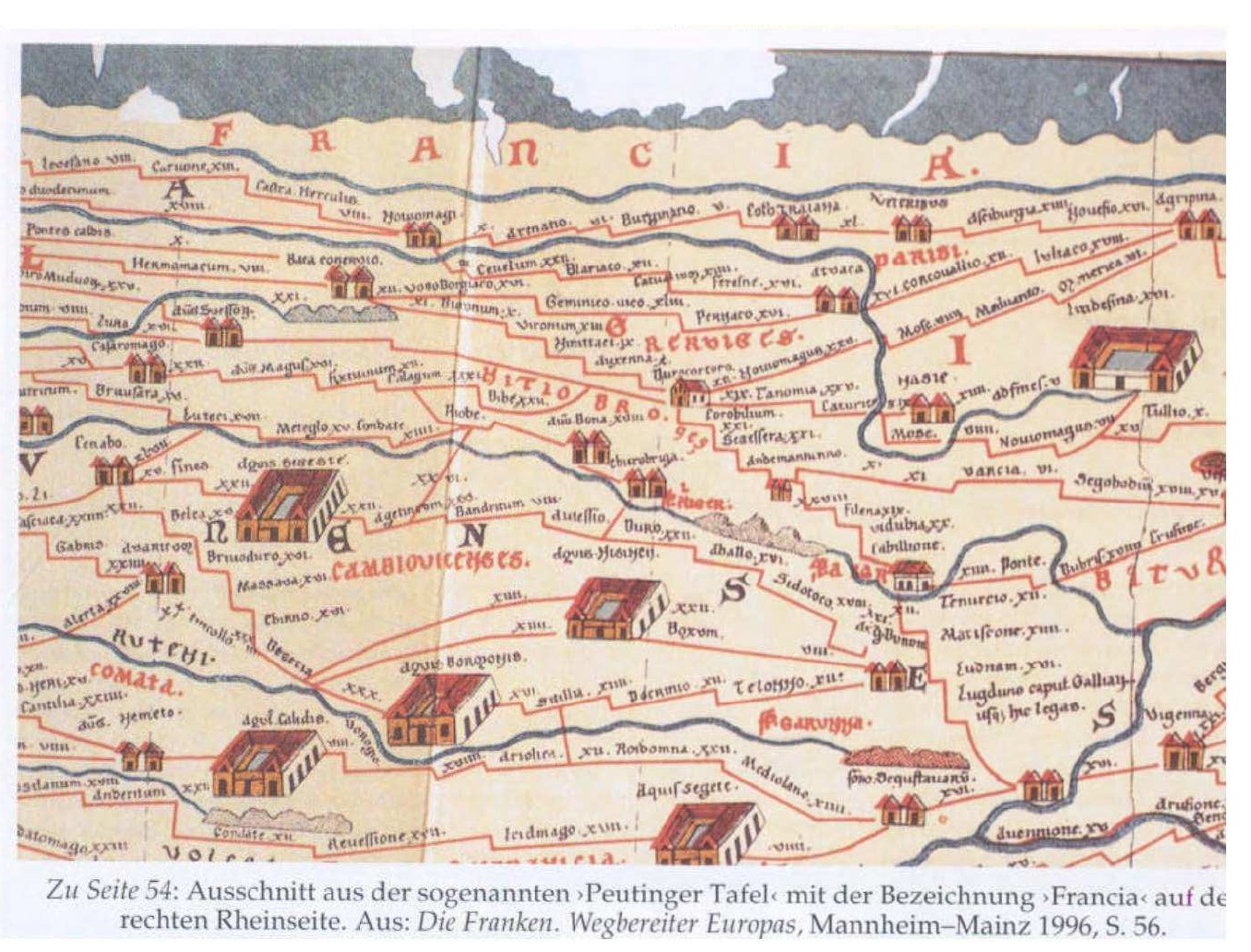
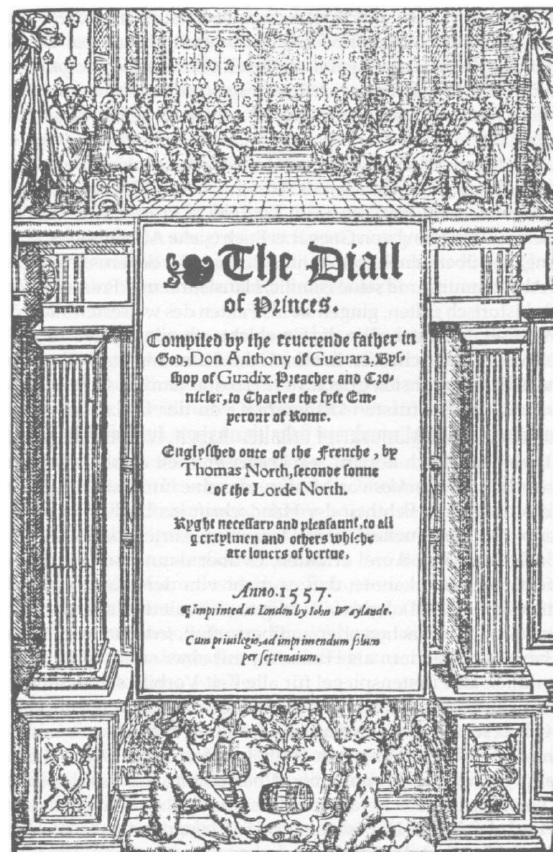


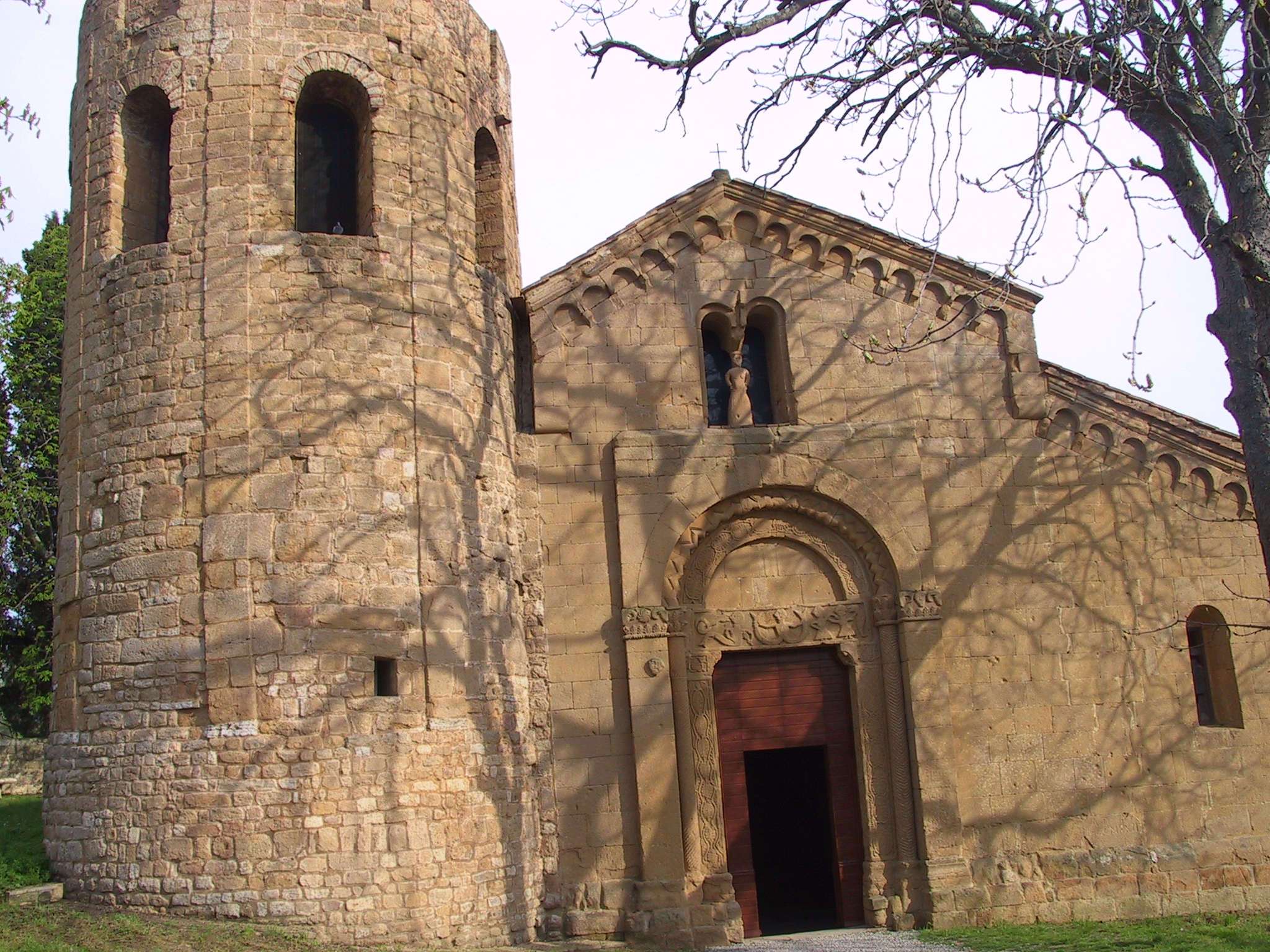


|
|
|
Sources
[web01] https://de.wikipedia.org/wiki/Konrad_Peutinger
[web02] https://de.wikipedia.org/wiki/Leontius_Pilatus
[web03] https://de.wikipedia.org/wiki/Dante_Alighieri
[web04] https://de.wikipedia.org/wiki/Giovanni_Boccaccio
[web05] https://de.wikipedia.org/wiki/Cosimo_de'_Medici
[web06] https://de.wikipedia.org/wiki/Marsilio_Ficino
[web07] https://de.wikipedia.org/wiki/Bessarion
[web08] https://de.wikipedia.org/wiki/Hrabanus_Maurus
[web09] Christph Pfister: Die Matrix der alten Geschichte, S. 28-29
[web10] https://de.wikipedia.org/wiki/Francesco_Petrarca
[web11] https://de.wikipedia.org/wiki/Poggio_Bracciolini
[web12] https://de.wikipedia.org/wiki/Giovanni_Aurispa
[web13] https://de.wikipedia.org/wiki/Nikolaus_von_Kues
[web14] https://de.wikipedia.org/wiki/Matthias_Corvinus
[web15] https://en.wikipedia.org/wiki/Francesco_Sassetti
[web16] https://de.wikipedia.org/wiki/Bobbio
[web17] https://de.wikipedia.org/wiki/Pius_II.
[web18] https://de.wikipedia.org/wiki/Gemme
[web19] https://de.wikipedia.org/wiki/Fürstenspiegel
[web20] https://de.wikipedia.org/wiki/Karl_V._(HRR)
[web21] https://de.wikipedia.org/wiki/Michael_Toxites
[web22] https://de.wikipedia.org/wiki/Kurpfalz
[web23] https://de.wikipedia.org/wiki/Conrad_Gessner
[web24] https://de.wikipedia.org/wiki/Carl_Capelle_(Pädagoge,_1841)
[web25] https://de.wikipedia.org/wiki/Pest
[web26] https://de.wikipedia.org/wiki/Fronto
[web27] https://de.wikipedia.org/wiki/Lorenzo_Valla
[web28] https://de.wikipedia.org/wiki/Vulgata
[web29] https://de.wikipedia.org/wiki/Universität_Complutense_Madrid - https://de.wikipedia.org/wiki/Universität_Alcalá_(historisch)
[web30] https://de.wikipedia.org/wiki/David_Friedrich_Strau%C3%9F
[web31] https://de.wikipedia.org/wiki/Wellhausen
[web32] https://de.wikipedia.org/wiki/Delitzsch_(Begriffsklärung)
[web33] https://de.wikipedia.org/wiki/Homer
[web34] https://de.wikipedia.org/wiki/Artus
[web35] https://en.wikipedia.org/wiki/Geoffrey_Ashe
[web36] https://en.wikipedia.org/wiki/Monmouth